

Volumio Primo V3: What Really Changes in the Digital Hi-Fi Chain
The Volumio Primo V3 arrives as a comprehensive update among digital streamers, introducing genuine advances in DAC, processor, and power supply—while also showcasing the typical marketing promises of the category. We unravel the verifiable facts behind the launch and what these changes could mean for a modern digital Hi-Fi chain.
Introduction: The Case for an Update and Its Context
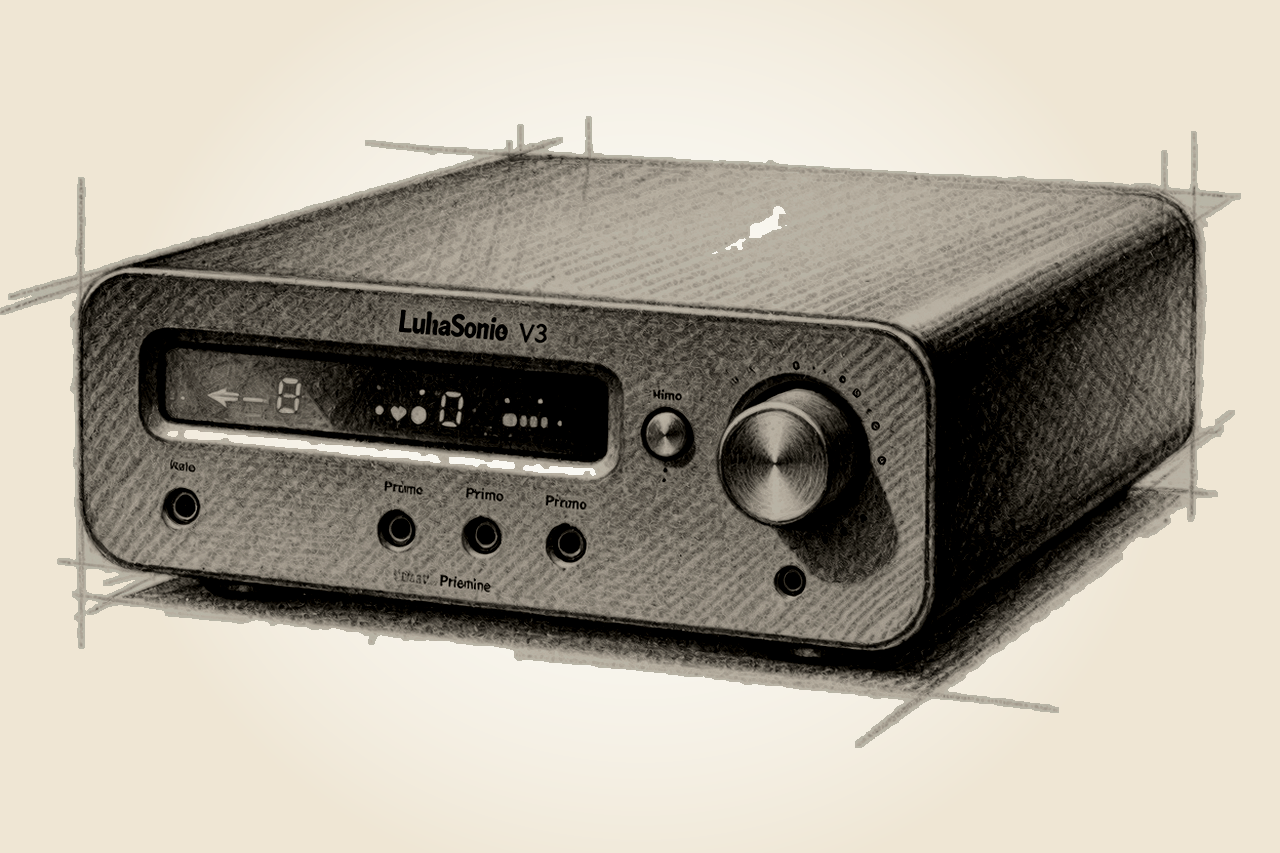
The Volumio Primo V3, officially announced on July 8, 2026, marks a significant shift in the Italian brand’s strategy for its flagship DAC streamer.[1][2][3] Marketed as a redesign "from the ground up"—in the brand’s own words—yet, as with all digital audio streaming products, it is important to distinguish between genuine technical upgrades and the familiar marketing language of this segment.
What Is Actually Announced: Verified Data on the Volumio Primo V3
The Primo V3 is not a minor refresh nor a cosmetic upgrade. Official information, backed by Volumio’s store and press releases, confirms a core overhaul focused on three main aspects[1][3][6]:
- New ESS Sabre ES9039Q2M DAC chip, replacing the previous model’s ES9038Q2M[3][6].
- Quad Core A72 processor, paired with 2GB DDR4 RAM, for smoother and more stable streaming performance[6].
- Linear power supply, aimed at reducing electrical noise—an important factor for securing digital signal purity[3][7].
The product supports native playback up to 384 kHz/32-bit PCM and DSD via the internal DAC; it can also function as a digital transport via USB-A, compatible with external DACs up to 1536 kHz PCM and DSD1024.[3][6] Connectivity includes Gigabit Ethernet, dual-band Wi-Fi, Bluetooth 5.0, HDMI, and analog RCA and XLR outputs (with adjustable level), positioning it as a versatile piece of modern Hi-Fi equipment.[1][3][6]
Who Is the Primo V3 Designed For?
The intended user profile for the Volumio Primo V3 is clear: digital Hi-Fi enthusiasts seeking convenient streaming without compromising quality, and who value deep integration with services like Qobuz, Tidal, Spotify, or Roon Ready solutions.[1][3][5][6] The inclusion of Volumio Premium, a robust software platform with mobile apps, extends its appeal to advanced home users who want both a plug-and-play experience and the option for in-depth adjustments (DAC filters, NOS mode, metadata management, and networked systems).
It is important to note that this generational leap does not mean the Primo V3 will suit every Hi-Fi fan: it excels especially in setups where the local network, digital libraries, and centralized control (multiroom, apps, NAS servers) are essential to everyday use.
Actual Problems Addressed in the Digital Chain
For informed users, distinguishing between tangible improvements and cosmetic gestures is essential. The Primo V3 introduces meaningful upgrades, though none are “magical” or miraculous on their own. Concrete examples:
- ES9039Q2M DAC: This is a modern chip engineered for lower noise and higher resolution, but differences compared to the ES9038Q2M are often subtle and depend on implementation, source, and the rest of the audio chain.[6] Its real impact is best appreciated when the downstream analog system can reveal fine nuances in timbre, dynamics, and silence.
- Faster processor: Moving to a Quad Core A72 and 2GB RAM has a practical effect on handling large music libraries, fast searches, and a more responsive graphic interface.[6] Users experience fewer dropouts or lag when navigating services like Roon or the Volumio Premium interface.
- Linear PSU: Linear power supplies are a classic demand in home digital audio, aimed at reducing high-frequency interference during digital-analog conversion. Its presence is justified, though the direct influence of this type of PSU depends on the electrical environment and tight internal isolation.[3][7]
In summary, the Primo V3 tackles three classic home streaming headaches: interface latency, background noise, and flexible integration within a realistic digital Hi-Fi network.
Plausible Differences vs Other Streamers and Previous Models
When compared to other streamers at a similar price and its own previous generation, the Volumio Primo V3 stands out for its organic hardware/software integration, official Roon Ready support, and Volumio’s update policy.[1][3] Features such as NOS mode, eight selectable DAC filters, and the premium interface are rare in products at this price point.[1][3][6]
Other competitors may offer ‘similar’ DAC chips, but Volumio’s proposition lies in factory-fitted linear PSU, increased capacity for large collections, and robust home connectivity (Ethernet, modern Wi-Fi, HDMI for mirroring, balanced XLR outputs). The universal logic of the Volumio Premium interface, with support for NAS servers and multiroom, is not standard across all alternatives.
Nonetheless, it is important to clarify that beyond specifications and datasheets, practical differences largely depend on each system configuration and home network. Classic issues such as latency, track skips, or dropouts are often due to both hardware and network infrastructure and the coexistence of multiple protocols, not always the streaming platform itself.
Risks of Hype: Marketing vs. Facts and Uncertainties
Media announcements and reviews often rely on phrases like “reinvents the streamer” or “radical change.”[1] However, research shows that while the Primo V3 indeed introduces real changes in the DAC, processor, and power supply, there is no evidence that the overall signal architecture (beyond the internal signal paths of the new DAC) has been revolutionized compared to the previous generation.[6] It is a credible, but relative, leap.
Another point of confusion is price: various media and blogs cite different figures (€799, €849, €900), but only the official Volumio listings—€849 for the EU, $1049 in the US, £769 in the UK—match the manufacturer’s specifications.[3][4][7] Lower listings may be temporary promotions, local launches, or reporting errors; the valid reference is always the official store.
As for frequent claims of an “audible transformation” due exclusively to a new DAC or PSU, this needs to be qualified: user experience can vary greatly depending on the entire component chain, source quality, electrical environment, and home network robustness. No streamer is a miracle worker; the key lies in careful integration and realistic expectations.
Conclusion: What Should Users Really Know About the Volumio Primo V3?
The Volumio Primo V3 is a consistent evolution in the field of integrated streamer-DACs, with genuine and measurable upgrades in its key design: a new DAC chip, greater processing power, and an improved power supply.[3][6] It is aimed at users seeking a robust device for complex digital ecosystems—not those expecting audible miracles from a mere hardware change.
Overall experience relies more on proper integration, software adjustments, and network conditions than on particular spec jumps or the force of marketing.
For the informed user, the decision should be based on facts: service and library integration, compatibility with their system, and guarantees of software stability and updates. The real value of the Primo V3 lies in this sum—not in isolated promises. Persistent uncertainties—variable prices depending on distributor, real audible impact, isolated PSU effectiveness—are resolved individually, through daily use, not launch hype.