

Jaret Reddick and the New Vinyl Edition: What It Really Reveals About the Original Recording
The exclusive Bowling For Soup demo edition at the Punk Rock Museum raises technical and cultural questions about what a 10-inch vinyl can tell us about a band’s history and original sound. What does listening in this format really offer in terms of analog systems, and how does nostalgia filter into the process?
Reissue as a Historical Window: Where Does the Truth of Vinyl Begin?
The recent release of Good Enough For The Girls I Go Out With (Demos and Placeholders) on vinyl by Bowling For Soup, led by Jaret Reddick and under the Punk Rock Museum label, prompts a necessary reflection on the limits and potential of the analog format for the memory of American pop punk. This is not merely a collector's item: releasing demos and placeholders on 10-inch vinyl is a deliberate statement. But, as with all reissues, it forces us to ask what is revealed—and what is lost—relative to the original recording, especially given how dramatically the listening chain and historical technical processes differ from the present day.
Origin and Context: Beyond the Museum's Marketing
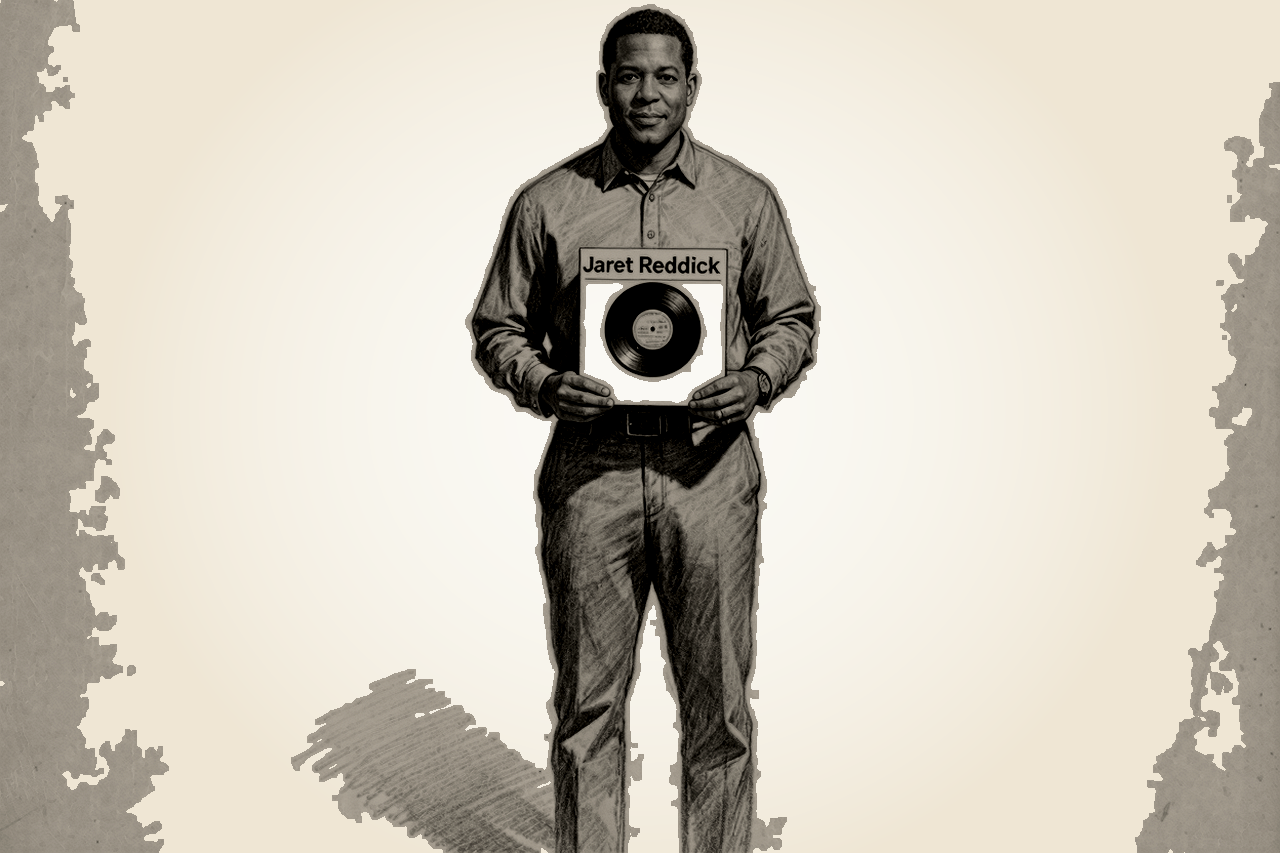
The reality of this reissue is straightforward yet significant: the Punk Rock Museum confirmed, via official announcement and its TPRM ODs label, an exclusive pre-order starting July 6, 2026. Jaret Reddick himself introduced it on Goldmine Magazine’s The Dollar Bin podcast, where he discussed both his curatorial role in the museum and the band’s personal and artistic connection to the cultural archive of punk[1][2][5]. Here, the vinyl is not just merchandise or a simple nostalgic tribute; it forms part of a strategy to showcase the real, often unfinished backstage of Bowling For Soup's evolution. The factual validity of the release is thoroughly confirmed by official sources and Reddick’s appearances as a museum tour guide, reinforcing this symbiosis among artist, institution, and community[4].
What Does the 10-Inch Format Add to Listening and Archiving?
Choosing the 10-inch vinyl—not the classic LP, nor the 7-inch single—has deep roots in punk and DIY culture: its limited space is usually reserved for demos, rarities, or raw sonic transitions, where polish matters less than the primal impulse of recording. In this case, the disc gathers early-stage material, before any commercial final mastering. For listening, this means a greater presence of the original recording context and its imperfections: an ideal setting to appreciate textures, room nuances, and the decisions (and omissions) that define early takes.
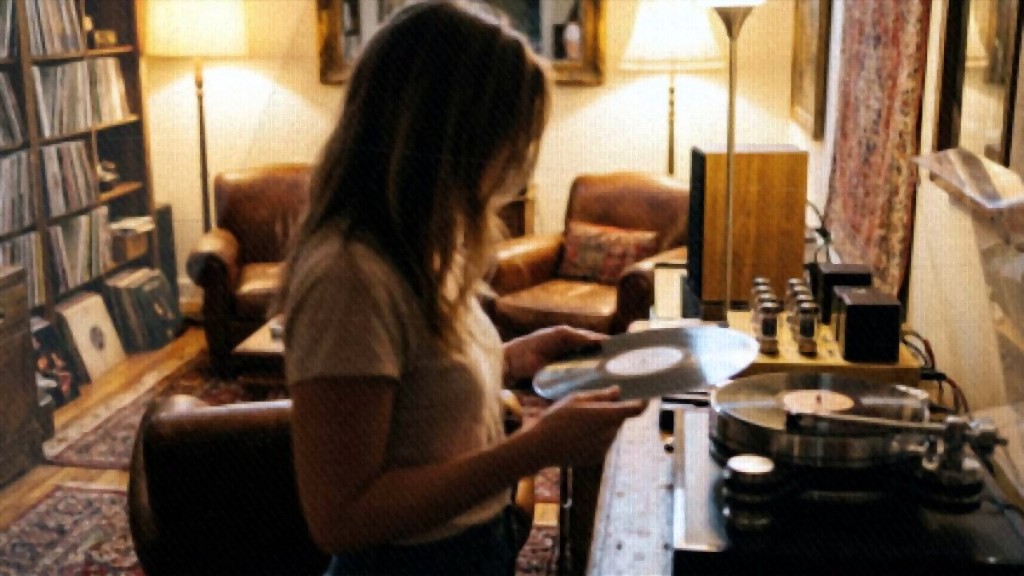
The physical sensation of placing a 10-inch on the turntable—smaller than an LP, denser than a 7-inch—adds to the ritual and serves as a reminder that every format strikes a different balance between playing time per side, groove dynamics, and cutting level. While no format guarantees a 'superior' result without considering pressing, source, and setup, the 10-inch often accentuates the collector’s dimension and interest in the 'raw' sound more than standard options.
Plausible Listening Chain and Technical Risks
For those acquiring this vinyl outside the museum circuit, the listening chain will depend—as always—on the state of the original recording, the vinyl master prepared, and the quality of TPRM ODs pressing. There is no detailed information on the specific mastering process: neither published credits nor official announcements clarify whether the material was analog remastered, transferred from digital files, or if an original tape source exists[2]. In the absence of such data, the listening experience relies both on system setup (cartridge, tonearm, and phono preamp) and on the potential noise or compression of the source, which may be particularly pronounced in old, unpolished demos.
For the analog user, this demands caution: the appeal of the demo lies as much in its immediacy as in its technical limitations. The 10-inch vinyl can highlight unnoticed details—tape imperfections, natural ambiance, raw placement of vocals and guitars in direct takes—but also brings along the original limits: surface noise, a narrower dynamic range, or, in rushed pressings, potential artifacts from lacquering and boutique manufacturing.
Reissue, Nostalgia, and the Museum’s Role
The release inevitably opens a cultural reflection on nostalgia. The Punk Rock Museum not only houses iconic objects but also encourages direct participation from living figures such as Reddick in mediating between archive and public. This can serve as both endorsement and gamble: the disc’s documentary legitimacy is clear[2][4], but any physical reissue—especially one that revives 'demos and placeholders'—risks turning into a consumer fetish rather than a true sonic document.
To what extent is this reissue merely a commercial capitalization of nostalgia, and to what extent is it an act of historical preservation? The answer lies in context: the record is created within the institution, by and for fans of a scene that has historically valued access to unrefined takes and the materiality of the object. Reddick’s presence as both guide and artist adds a layer of authenticity—a kind of collective curatorship where the vinyl becomes a tangible support for both the oral narrative and the memory of pop punk.
Sources, Confirmations, and What’s Missing
Against the usual confusion generated by marketing and 'mock-only' editions, this reissue is anchored in primary confirmations:
- The Punk Rock Museum as official publisher and promoter[2][7].
- Title, format, and existence verified by podcast, official website, and museum social media[1][2][7].
- Reddick’s active role demonstrated by events, tours, and interviews at the museum itself[1][3][4].
However, two significant uncertainties remain: neither an exact release date beyond the pre-order, nor final price details have been made public in the sources provided[2][7]. There is also no clarity on the master used for the vinyl edition—which is crucial to understanding the proximity to the 'original' sound versus any later remastering or digital transfers.
Considerations for the Listener and Collector
For those considering acquiring this physical testimony, the decision cannot rest merely on the promise of 'analog authenticity'. Without more technical data—and outside the promotional cycle—it is wise to set listening expectations toward the documentary, mindful of the compression, loss, and noise margins associated with demos. The album’s appeal resides mainly in its status as privileged access: as always in the vinyl world, part of the value derives from what physicality and institutional context bring to the act of owning and playing these unfinished tracks.
Conclusion: What Vinyl Can and Cannot Promise
The vinyl edition of Good Enough For The Girls I Go Out With (Demos and Placeholders) offers Bowling For Soup and pop punk fans a genuine opportunity to experience early-stage material, legitimized by the Punk Rock Museum and Jaret Reddick's active role in mediating between archive and audience[1][2]. Nonetheless, the final listening chain and technical outcome depend on as-yet-opaque factors—primarily type of master and pressing—which will need independent verification in future reviews. The risk of commercial nostalgia is present, but so too is the possibility of a revealing and material listening experience, especially while the physical ritual of vinyl remains intrinsic to discovering a band’s history through the grooves. To acquire it is to summon both the cautious ear and the informed collector.