

Lionel Richie’s ‘Can’t Slow Down’ Gets an Audiophile One-Step Reissue That Breaks the Rules
The Lionel Richie classic receives an unexpected audiophile One-Step release from Capitol/Interscope. We examine its provenance, Chris Bellman’s mastering, and the risks and opportunities of turning this 80s pop icon into a hi-fi fetish object.
The Reissue: A Pop Album Under the Audiophile Microscope
In an overcrowded vinyl reissue landscape, news of Can’t Slow Down joining the Definitive Sound Series One-Step from Capitol/Interscope in 2026 strikes — according to the specialist press — as both a bold and unexpected move[1]. While rock and jazz classics get reissued almost to exhaustion, choosing this 1983 pop icon from Lionel Richie — long linked more to the mainstream than to audiophile circles — runs against the commercial grain and challenges purist assumptions. The album’s popular impact is hard to contest: over a year on the charts, five hit singles, more than 20 million copies sold, and a sound that, despite its roster of producers and musicians, manages genuine stylistic unity[1].
Provenance and Analog Chain: From Master Tapes to Your Cartridge
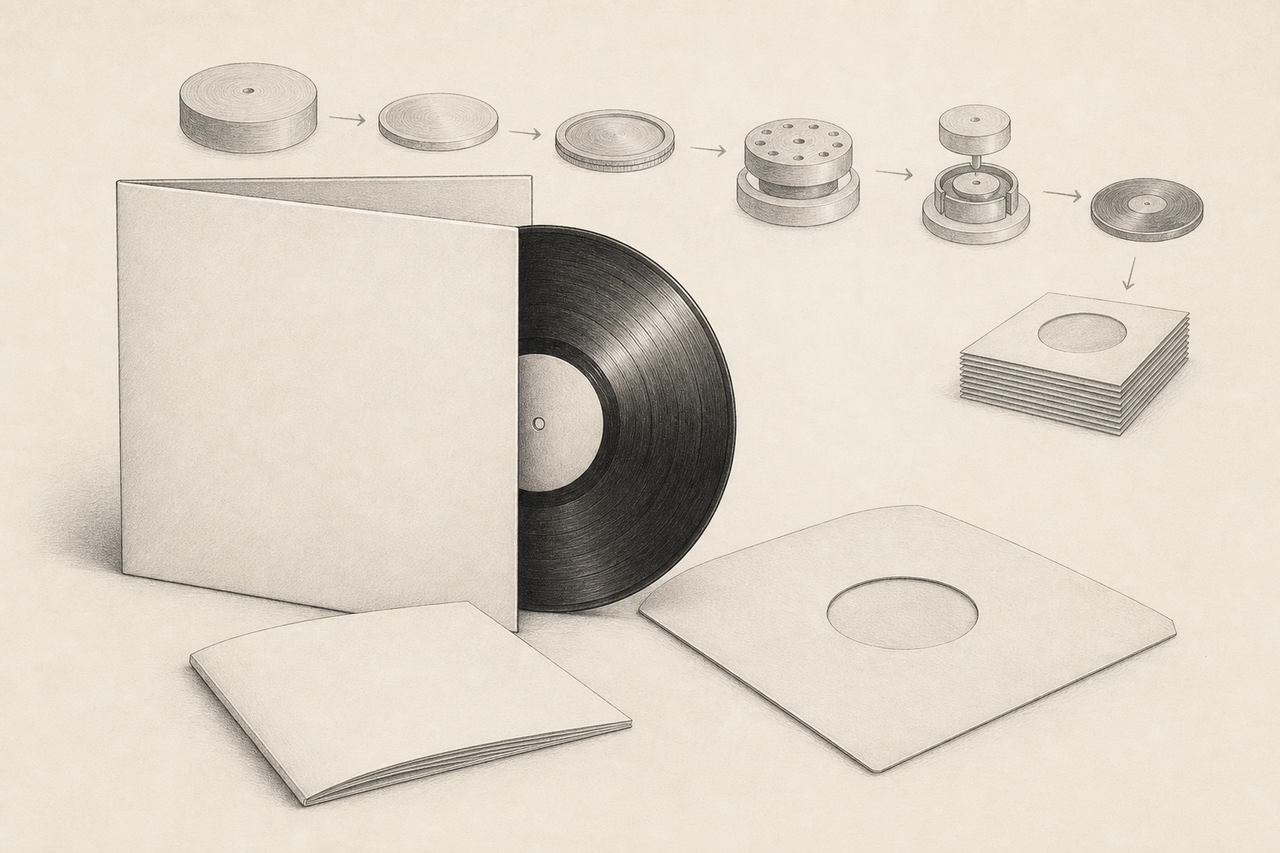
The real appeal here lies in its provenance chain, thoroughly documented. Mastering was led by Chris Bellman at Bernie Grundman Mastering, working from the original master tapes and cutting straight to lacquer — a process that trims links in the typical chain and aims for maximum fidelity[1]. Importantly, the original 1983 edition was also mastered in this environment, offering a kind of technical lineage and consistency. Pressing is handled by RTI using 180g Neotech VR900D2 vinyl (per official documentation), in the One-Step format: the gold standard for high-budget audiophile releases[1].
Physical Presentation: For the Fetishist of Material Objects
This edition’s physical object doubles down on the tactile luxury of premium vinyl. Rigid slipcase, distinctive design finishes, high-end tip-on jacket, and a booklet of lyrics: the packaging aims to please both collectors and those who find joy in the physical ritual of record playback[1]. Collectible value is woven centrally into how these editions are pitched.
How Does This Matter to Audiophile Culture?
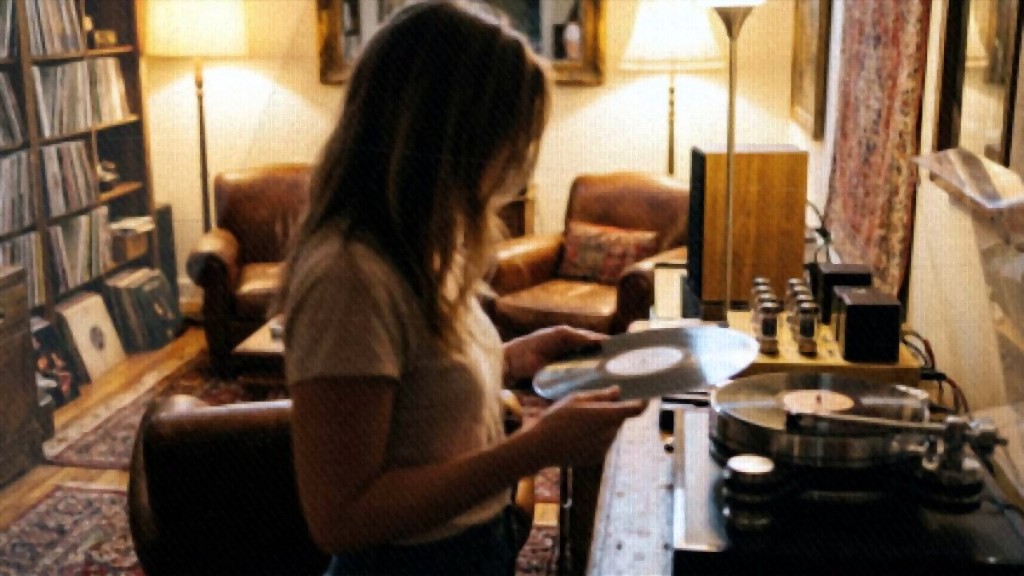
The major labels’ shift towards pop titles — historically sidelined in audiophile circles — is telling. Can’t Slow Down, after decades of radio saturation and casual consumption, is being offered up for slow, ritualistic listening. Is it a rediscovery or just savvy marketing? Attention to verifiable technical details and clear provenance offers some shield against the charge of nostalgia dressed up in shrink wrap. Still, a reminder: no pressing or One-Step process can fix a poorly aligned system, a misaligned cartridge, or subpar vinyl condition. The payoff of this reissue is ultimately only as strong as the rest of your playback chain — from turntable and cartridge to phonostage and tracking settings.
Edition Risks and a Guide for the Cautious Listener
One-Step reissues have stirred debate in forums and among the community for their cost and sometimes uneven results. This pressing comes with well-documented mastering and pressing details, but questions remain about batch-to-batch quality and whether true first-generation master tapes were always in play — uncertainty that shadows any top-tier reissue. It would also be unwise to assume automatic sonic superiority just from process alone. Collectors and listeners alike should keep their scepticism close and prioritize good system setup over the lure of object worship.
Editorial Verdict: A Shift in the Audiophile Canon?
This release asks us to rethink the bounds of what counts as “audiophile repertoire” and tests a community often wedded to its usual rituals. As with any premium vinyl, this edition will only shine as much as your system setup and care will allow. With the facts at hand, each informed reader can decide whether this pop gem deserves shelf space — or if resisting the reign of the object over the music is the wiser move.