
News

Dali Sonik 5: Fact-Checking and Context for DALI's New Compact Speaker

The Dali Sonik range arrives as a compact, high-fidelity alternative for listeners seeking serious solutions in limited spaces. Distinguishing technical facts from marketing messages is key to assessing its real impact on the listening experience.

  • what-hifi
  • other
  • technical-topic
  • dali-sonik
  • hifi
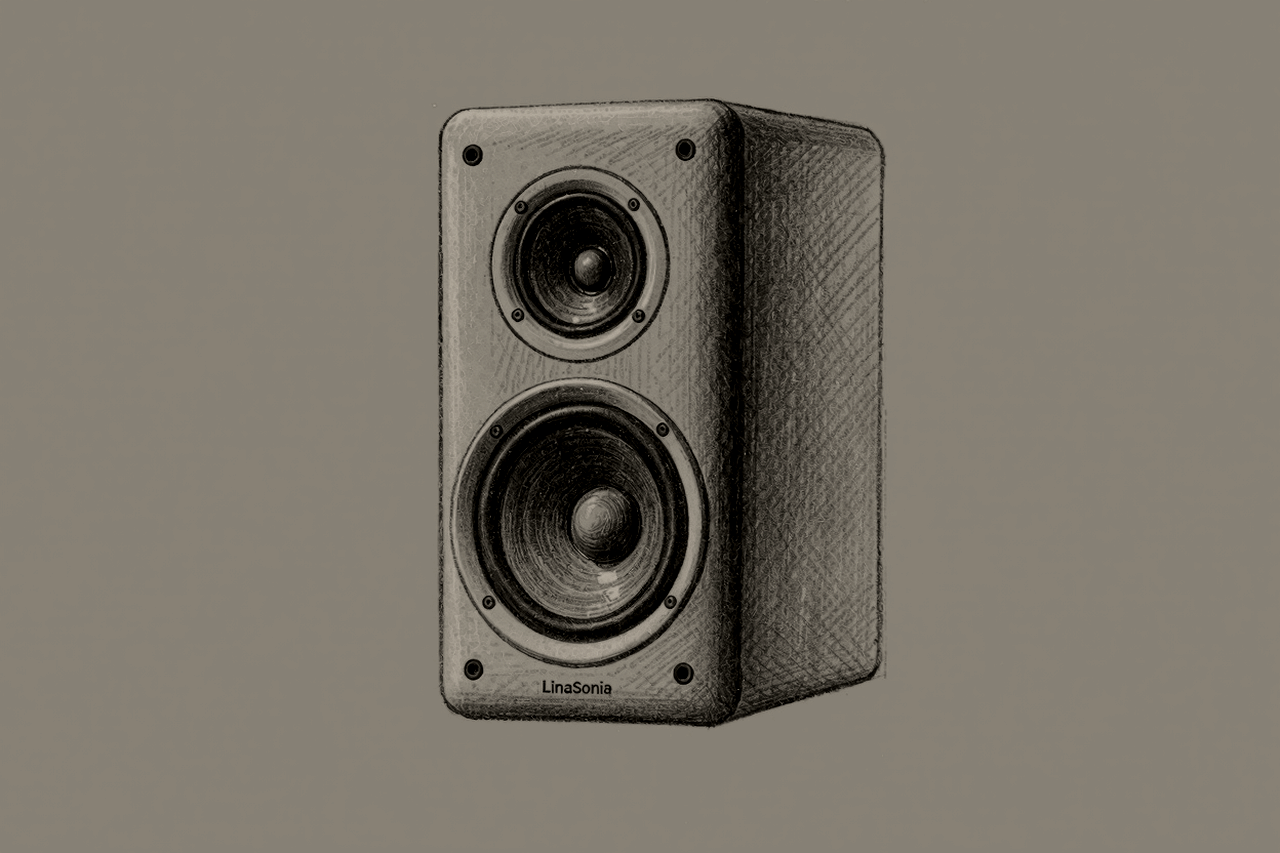
Dali Sonik 5 slim floorstanding speaker on display in a modern listening room

Editorial Consequence: Distinguishing Sound Innovation from Marketing Noise

Announcements of new speaker ranges often come wrapped in abstract promises: "deep bass", "natural sound", "room balance". This is especially relevant for the high-fidelity audio audience —even more demanding when international coverage is relayed in Spanish— and makes verifying facts essential. In the case of the newly introduced Dali Sonik 5, the crucial difference lies precisely in separating what comes from the official source, what is repeated by distributors, and what remains to be confirmed through measurements or independent reviews. For the listener, a new release only matters if it translates into a clear benefit for the home music experience.

Baseline Context: Dali Sonik 5, a Confirmed Entry in 2026

The Dali SONIK range, made in Denmark and marketed by DALI Speakers, aims to position itself as the practical evolution of the well-known OBERON line, though at no point is it officially presented as a direct replacement[1][2]. The main and most compact model, the Sonik 5, is described as a "slim floorstander" designed for integration into small and medium-sized rooms. Its official arrival is scheduled for 2026 in Spain and Portugal, distributed by the Sound&Pixel Planet network[1][2]. Both the distributor's website Werner Música and communications from Sound&Pixel confirm the spec sheet and timeline, though the exact launch date remains publicly unspecified[1][2][3].

Behind the Data: Verified Specifications

On a tangible level, the Dali Sonik 5 features a two-way design with two 13.3 cm (5¼”) woofers using SMC™ (Super Molded Composite) magnetic motor technology and Clarity Cone™ cones. Its 29 mm soft dome tweeter aims for extended frequency response and agility at the upper end of the spectrum. Officially, it offers a frequency range of 39 to 26,000 Hz (±3 dB), sensitivity of 88 dB (measured at 2.83V/1m), a nominal impedance of 6 ohms, and a maximum declared sound pressure of 108 dB. All housed in a bass reflex cabinet tuned to 43 Hz, with recommended amplification between 30 and 150 W[2][3].

What Really Changes for the Listener?

The decisive question: how does the Sonik 5 compare to other compact floorstanders? Based on available data, this speaker targets those seeking the physical and spatial scale of a floorstander, without the space and acoustic control demands of larger models. Its sensitivity and impedance specs allow reasonable integration with mid- or high-end amplifiers, but are unlikely to deliver miracles with basic electronics. The tweeter’s claimed response up to 26 kHz suggests more air and definition, though these technical values require proper room and recording to yield audible advantages beyond what's on paper[2][3].

The use of SMC™ in the magnetic motor—technology originally reserved for higher DALI ranges—could improve distortion reduction in the mid-bass, leading to less aggressive reproduction of voices or energetic instruments, though no independent measurement exists for the Sonik range. For those alternating domestic listening between electronic jazz or acoustic pop, this added control may yield more detail and presence. However, the concrete experience will depend on the recording, the amplification, and the listening environment. There are no public tests for soundstage, transient dynamics, or low-volume performance: all remains at the level of official claims.

Marketing vs. Facts: The Risk of Over-Interpreting 'Evolution'

Much of the initial communication links Sonik as the "natural evolution of OBERON". The reality, based on the data, is less clear-cut. While the adoption of advanced technologies does lend credibility to improvement claims, there is no itemized list of components or measured advancements versus OBERON, nor are there public listening tests to substantiate phrases like "deep and impactful bass" or "balanced floorstander sound"[1][3]. For informed readers, this means waiting until there are independent technical reviews covering aspects such as dynamics, stereo imaging, frequency continuity, and instrumental realism.

The first specialized coverage in Spain (HiFi Live Magazine) and the official catalogs agree—with commercial overtones—in positioning Sonik as a serious domestic solution derived from OBERON, but not replacing it[3]. The cabinet's slim design benefits environments where aesthetics and footprint are significant, though the actual sonic consequence of this design will only become apparent with comparative listening or objective measurement.

What Readers Should Know Before Deciding

For those considering the Sonik 5 as a future purchase, the key recommendation is to distinguish between verified data and unproven promises. Range, power, and sensitivity figures have been published by DALI and its distributors[1][2], but the listening impression—defined by scale, presence, and physical authority—remains pending validation from independent reviewers. The speaker aims to strike a balance between compact design and high performance, but as with most mid-range floorstander launches, the real test will be how it handles bass registers and stereo imaging in an actual room.

Conclusion: Responsible Editorial Coverage for a Relevant Announcement

Beyond the novelty and the temptation of easy enthusiasm, the job of the specialist press and distributors is to offer context and separate marketing noise from verifiable facts. In the absence of critical independent testing, Spanish coverage of the Dali Sonik 5 should serve as a starting point, not a final verdict. The informed listener knows that true change in the listening experience is only confirmed when a product upholds its promise under real home conditions and the demands of the chosen music repertoire. Until then, the Sonik 5 represents a plausible evolution within the DALI line, but it is still too early to pass final judgment on its place in the world of domestic high fidelity.

Contact

Contact LineaSonora

For distribution, brand representation, integration projects or editorial enquiries.

[email protected]