

Softube Console 1 Compact: A Smaller Surface, the Same Workflow Question
Softube presents Console 1 Compact, a hybrid hardware/software controller with the challenge of bringing professional studio-console mixing experience to domestic spaces and budgets. We analyse what official sources confirm, which promises hold, and what uncertainties this compact version raises.
The portable console debate: real relevance versus marketing expectations
The recent launch of Softube Console 1 Compact encapsulates more than a new market offer in control surfaces. What is fundamental here is not its simple existence as the Channel MkIII's "little brother", but what it promises — and questions — for those seeking a tactile, musical mixing experience without classic hardware deployment, in the modern studio environment[1][2].
Report the control surface, not the promise of touch
Daniel Navarro separates the confirmed controls and software requirements from the broader claim of a more musical workflow. A smaller surface changes reach, mapping and desk footprint; whether it improves a session depends on plug-in coverage, recall and how often the user returns to mouse and screen.
What has been announced and what do sources support?
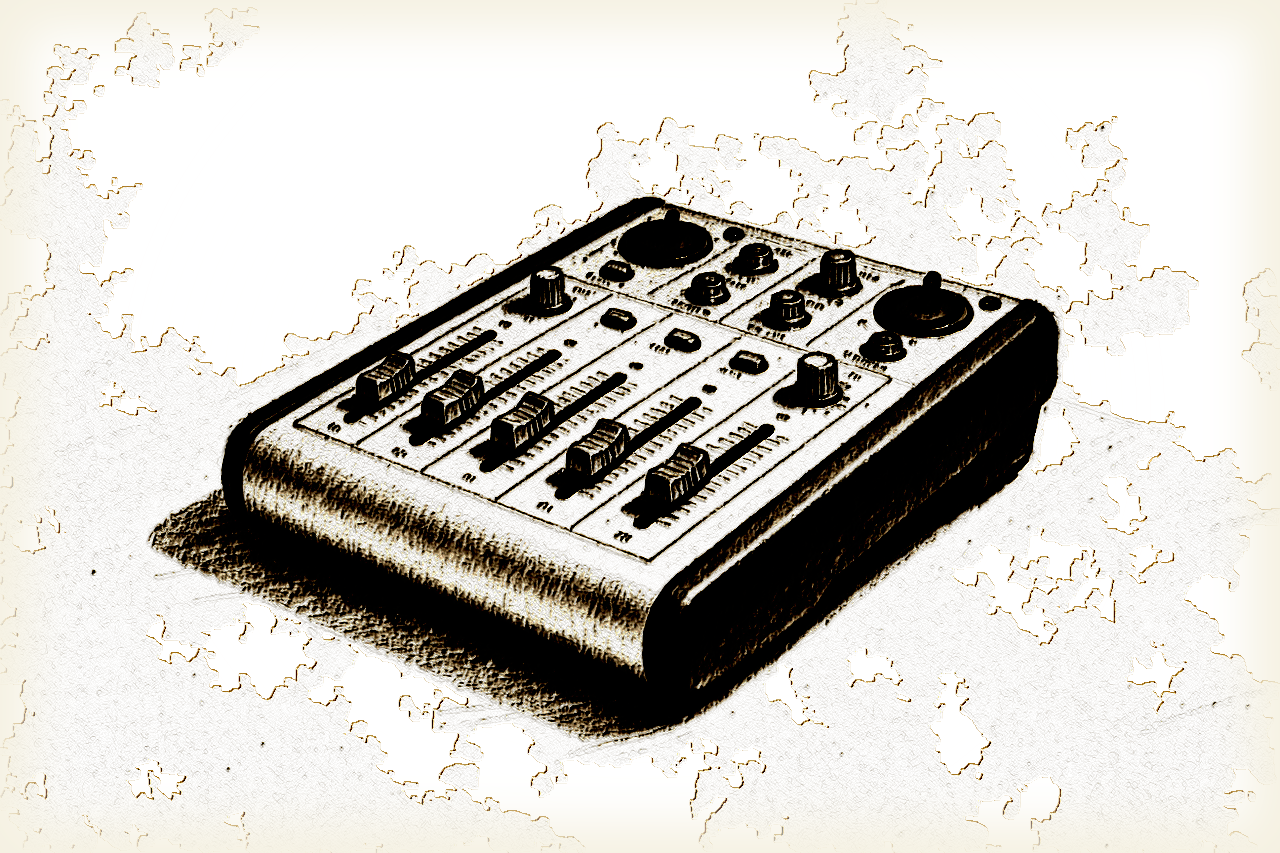
Verifiable information situates Console 1 Compact as a hybrid hardware/software controller, intended for detailed control of preamps, compression, equalisation, and saturation — all from a surface more reduced and portable than the Channel MkIII unit[1][2][3]. Officially announced in June 2026 and already available on Softube portals and appropriate distributors, Console 1 Compact appears as the entry model in this family, preserving the "mix by layers" philosophy characteristic of the Softube ecosystem.[1][2][3]
The fact table offers clarity: the launch builds on Softube's accumulated experience in classic console emulation but focuses on the user who prioritises immediacy of physical control and natural integration with DAWs in reduced spaces. Official price, according to manufacturer list, is 495 EUR / 499 USD — though independent stores may show differences due to taxes or commercial margins that do not alter list price or range positioning[1][4][2].
Who does Console 1 Compact make sense for?
The first recipient is the domestic or semi-professional mix engineer for whom the Channel MkIII is excessive in size or cost. It also addresses those wishing to move from mouse click to physical manipulation without renouncing digital environment flexibility. Here, the hardware proposes a way to "touch sound" at domestic scale, translating into gestures that can determine energy, dynamics, and presence of a real mix. It is not a literal recreation of an analogue desk nor control room, but an evocation of its logic and reactions, with sensation of continuity and immediate response when adjusting fundamental parameters[1][2][3].
For the Hi-Fi user who has ever recorded or edited music, it may be relevant for what it implies: possibility to modulate texture, harmonic density, and apparent space of final audio, preserving scene and vocal/instrumental authenticity with greater intentionality. However, it is fundamental to be clear: Console 1 Compact is above all a production and mixing tool; its use points to those who intervene in the recording, not strictly passive audiophile audience.
The problem Softube says it solves
Softube presents Console 1 Compact as entry key to a professional workflow that, until now, demanded superior hardware in size and cost[2][3]. The Compact model retakes the premise of transforming on-screen editing into tangible interaction, without sacrificing access to critical functions (preamps, EQ, compression, saturation). From a musical perspective, this means avoiding fragmentation between thinking and listening while mixing: theoretically, every decision on dynamics or timbre becomes immediate, with fewer mental barriers than mouse and keyboard can impose on the creative chain.
In practical terms, its greatest contribution will be palpable in iterative workflows or rapid mixing, where reaction time and muscle memory favour musical continuity and nuance preservation. That portability can make the difference in spaces where every studio centimetre counts and every second dedicated to adjustment must pay off. For whoever has sought "console sensation" in home studios, the main difference is reduced friction between sonic intuition and technical execution.
Credible differences versus the category and marketing zone
How does Console 1 Compact distance itself from generic control surfaces? First key: it is designed specifically for the Softube ecosystem, with direct, deep integration of channel emulations structuring the company for two decades. It is not a generic MIDI controller but an extension of studio console logic — including analogue saturation and realistic reaction of its dynamics and EQ modules[1][2][3].
Versus competition and its own elder sibling, its limits are also clear. Size reduction implies concessions in number of simultaneous physical controls, which could force more navigation in complex sessions and less "two-handed" manipulation of critical parameters. Although Softube insists on transmitting classic console sensation and fluid mixing, total experience will depend on integration and optimisation degree with software: here, the "console sound" claim rests more on accumulated emulation reputation than on this hardware piece itself. It is not an analogue console nor external summing, but a control interface over existing digital processes.
Are there hype or confusion risks?
Launch context carries habitual industry risks: marketing equivocations (for example, certain social networks describing it erroneously as a "plugin"[5]), expectations about what physical control can change in mix quality, and price differences between sales channels — the latter subject to taxes, currency exchange, or margins, but not official price movement[4][2].
The most evident hype lies in temptation to assimilate this compact console to an analogue mixing experience or frictionless integration with every DAW or existing hardware. Reality is more nuanced: the proposal is relevant where the user already prioritises manual editing and an optimised Softube ecosystem, not as universal solution nor miracle of warmth or sonic three-dimensionality. Typical audiophile environment will not see playback scale, physicality, or stage altered solely by incorporating this hardware.
The question that remains: what should the potential high-fidelity user know?
Console 1 Compact, according to verified sources, provides direct access to Softube professional mixing workflow, with focused design and direct integration in small environments[1][2][3]. But its contributions truly interest those seeking manual involvement in audio treatment: it is an invitation to experiment with texture and dynamics, not automatic improvement of passive listening experience. The important nuance is that hardware enables gesture, variation, and immediacy, but final musical quality will depend on criteria and intentionality with which it is used, not the device alone.
For whoever values convergence between mixing technique and listening pleasure, Console 1 Compact positions the entry barrier closer, but does not dissolve distances between professional production and high-end domestic reproduction. Meaning lies in possibility to cross that border, even if partially: bringing tactile spirit and studio logic to real scale of home or itinerant projects. What is relevant is not console branding nor aspiration to "room sound", but effective control over what is heard, in real time and with consistent physical feedback.
Conclusion: no noise, but no miracles either
The open question is interruption
A useful comparison counts mapping gaps, mode changes and recall steps in the intended plug-in set. The launch establishes a lower entry point to the ecosystem, but not that every production task becomes faster or more tactile.