

Decoding the Public Sale of Tom Verlaine’s Collection: Vinyl, Certification, and Listening Context
The reissue and public sale of Tom Verlaine’s personal collection via Discogs and Academy Records raises questions about provenance, format, and the place of physical collecting within contemporary music culture.
The Physical Chain of Music: More Than Objects, Context and Provenance
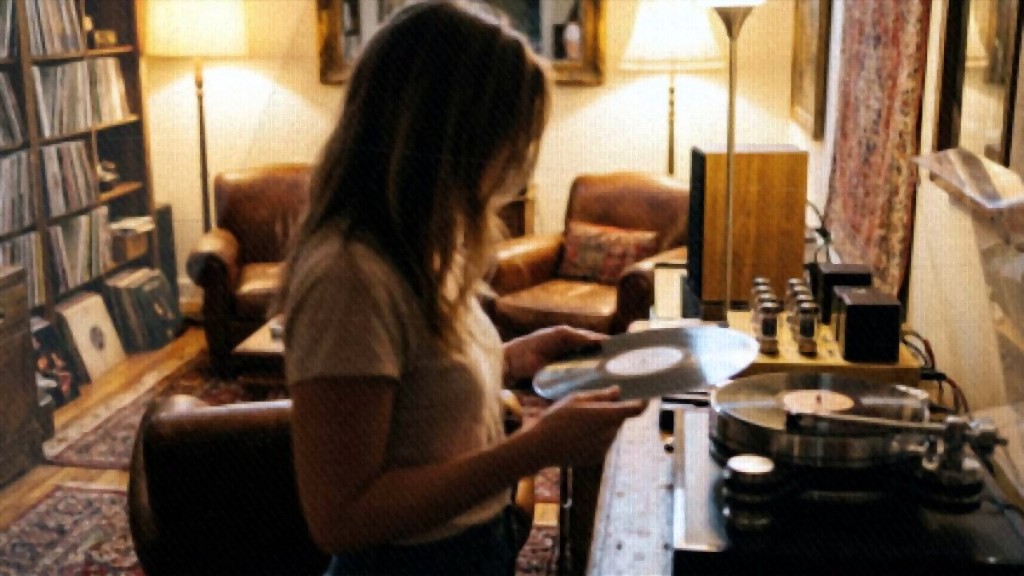
The announcement of the public sale of Tom Verlaine’s personal vinyl collection, organized by Discogs and Academy Records, resonates with those who inhabit physical listening and understand records as cultural nodes, not merely commodities. While the news is circulating in the media and social networks with a sense of nostalgic event, at its core, it invites us to examine what it means to acquire—and to listen to—a record that belonged to one of New York’s key figures in avant-garde rock. When the record’s materiality goes beyond being a mere medium and becomes a vessel for layers of history, the physical object also turns into a narrative and testimony.
Verified Facts: Scale, Logistics, and Authenticity
The factual basis for the sale is solidly supported by official sources and the specialist press: according to the joint statement from Discogs and Academy Records, the collection up for auction comprises around 4,000 vinyl records from Tom Verlaine’s personal archive, as well as a limited selection of CDs and cassettes[1][5]. It is important to specify that the process is divided into three stages: a first online batch of 1,000 records on June 26, 2026; a physical sale on July 10 and 11, 2026 at the Academy Records Annex, located at 224 Banker Street, Brooklyn; and a final online batch on July 31 for those items that remain unsold after the in-person event[1][5].
Regarding provenance, each record sold comes with a certificate of authenticity that confirms its origins in Verlaine’s personal library—an essential detail for those who distinguish between a collector’s item and a simple used copy. The artist, who passed away in January 2023, amassed this archive over decades, reflecting both his personal evolution and the pulse of an electric, avant-garde scene[2][5].
What Changes for Listeners and Collectors?
The main attraction for collectors does not rest solely on the repertoire or rarity of many titles—although these will surely range from standard releases to hard-to-find items—but in the testimonial value of the object itself. The simple inscription "from the collection of Tom Verlaine" adds a layer of material narrative, though it does not necessarily change the musical experience of the vinyl in strict terms of mastering, pressing, or physical state.
For listeners accustomed to evaluating reissues based on factors such as sound quality, specific pressing, cut, or analog/digital treatment, this event is of a different nature. There are, at least according to the available announcements, no new masters undertaken or "audiophile" pressings; the proposition is to access records exactly as Verlaine kept them: used, showing signs of individual handling, and bearing a history traceable through labelling styles, sleeve wear, and personal notes[1][5]. Each record, therefore, is also a fragment of the listening environment and the private ritual that the musician practiced.
Context: Archival Culture and Emotional Value
The public sale of personal collections linked to cult musicians is not unprecedented, but it does signal a shift in the relationship between the physical record and cultural narrative. For many, the appeal lies less in hypothetical sonic improvement—the microgrooves and tracks will always depend on the vinyl’s condition and the playback setup—and more in the chance to, at least in part, join the material lineage of independent rock, New York punk, and the experimentation championed by Verlaine with Television and in his solo work.
Discogs and Academy Records’ decision to offer individual certificates legitimizes this approach and addresses a market that values documentary traceability as much as the listening experience itself. As for the price range, references point to most records being offered between 10 and 50 dollars, with occasional jumps into four figures for items of particular rarity or historical importance[1][5]. These are not "fixed" or guaranteed prices—the market responds to the object’s uniqueness and buyers’ demand.
Technical Consequences and Physical Ritual: What to Expect (and What Not To)
In contrast to “audiophile pressing” culture, where each microdetail of mastering or the vinyl itself promises radical listening transformations, the added value here is material and historical, but not technical. There is no indication of new remasterings or special pressings: these are used records, with their own unique wear and character—for better or worse—and not "mint" products scrutinized by sonic perfectionists. The listening chain thus relies as much on the setup of your own turntable as on your tolerance for surface noise and the inevitable signs of use.
From a ritual perspective: handling an LP that belonged to Verlaine may bring an emotional continuity, but not an audible technical leap compared to another copy of the same album in a similar condition. The specifics of your cartridge, tonearm, or preamp setup will, as always, have a greater influence on the sonic result than the owner’s history. In this case, value comes from the integration of past and present through tactile gesture and the distinctive sound of the physical record.
Precautions for Those Seeking the Perfect Listen
Before deciding to buy a record from this collection, the buyer should be clear about what they want: a working copy of the album that also bears a certificate of artistic provenance, or a museum piece or sonic rarity in perfect condition. Neither Discogs’ announcement nor the specialist coverage guarantees near-mint condition or absence of defects from a real history of listening. The buyer, strictly speaking, must assume both the risks and the allure of a used record whose main distinction is its narrative.
As the sale is carried out through official channels, backed by proven provenance and documentation—but without total guarantees of condition or sonic quality—this collection encourages situated listening, conscious of both the technical limitations and the emotional scope of a unique object.
Closing: Narrative, Memory, and the Act of Listening
The arrival of Tom Verlaine’s collection to the public market, carefully managed by Discogs and Academy Records, is more a gesture of cultural openness than a sonic revolution. For those who value the material biography of records and the tactile journey that connects musicians, shops, and listeners, this event reaffirms the role of the physical collection as a space for memory, mediation, and reading the past. The challenge—and the pleasure—lies in listening, touching, sharing, and above all, in understanding that music on vinyl is always a situated experience. It is not necessarily better: it is another way of engaging with the material soundscape of history.
Main sources: Discogs, Academy Records, specialist press including QConciertos and IndieHoy[1][5].