

Klipsch x The Odyssey: what its specifications do—and do not—tell us
Klipsch presents a 2,500-unit Bluetooth speaker tied to Christopher Nolan’s <em>The Odyssey</em>. Its published specifications help define its intended use, but they cannot predict bass extension, dispersion or behaviour at high volume.

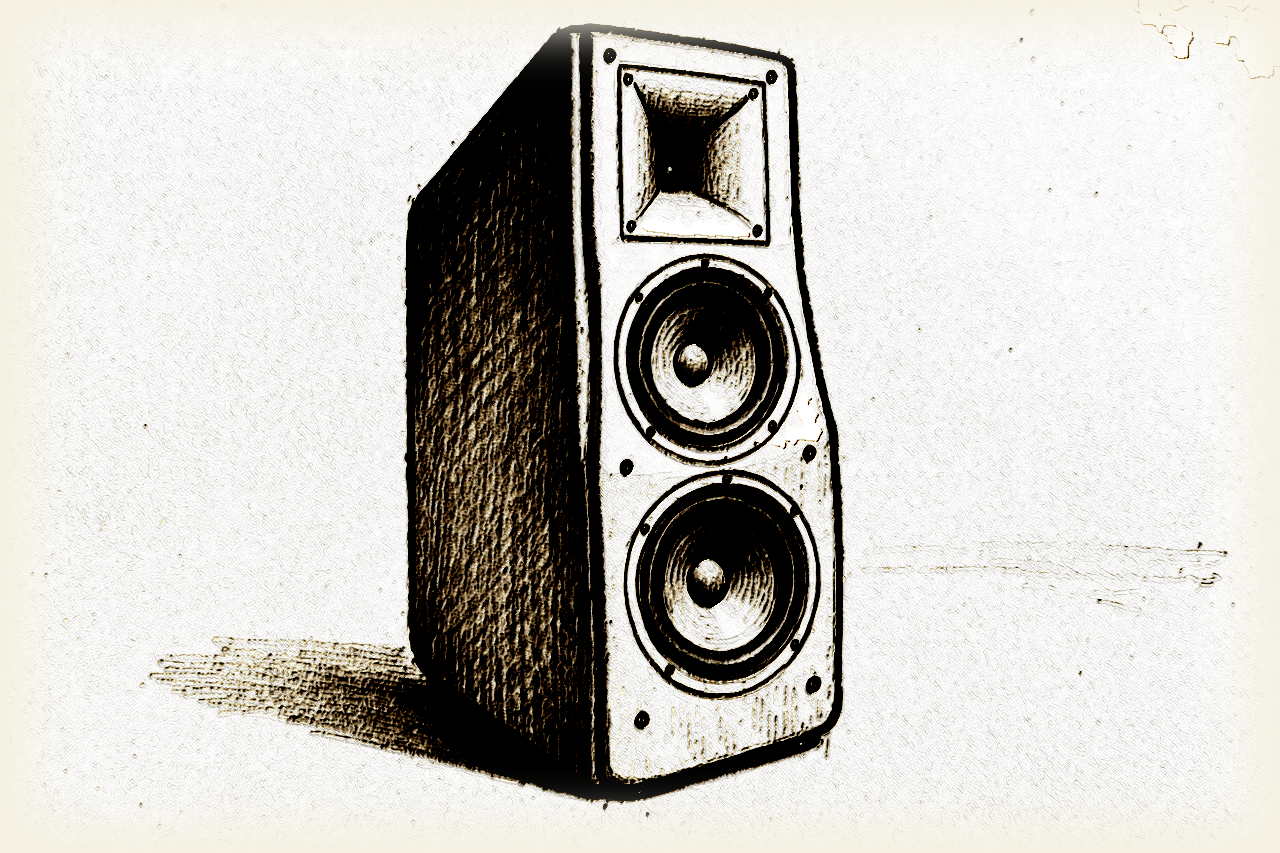
According to Klipsch, the Klipsch x The Odyssey Limited Edition Speaker is a portable Bluetooth model associated with Christopher Nolan’s The Odyssey. The manufacturer says the run is limited to 2,500 units and carries a suggested US price of $499.99. Klipsch also places the product within its promotional partnership with Onkyo and the film. [1][2]
The announcement, in verifiable terms
Klipsch presents the speaker as official film merchandise, with a design inspired by Odysseus’s sword, aged detailing and brass accents. That establishes the object’s narrative and collectible appeal. It does not establish an acoustic difference. [1]
The Gadgeteer and IGN France reproduce the main launch and specification details. Their coverage supports what Klipsch announced, but it is not a laboratory test or a listening review. [3][4]
What product is it, actually?
Klipsch says the edition is based on the Detroit platform from its Music City Series. The useful distinction is categorical: this is a portable Bluetooth speaker, not a new home-cinema loudspeaker, a passive cabinet for an external amplifier, or a complete cinema system. [1][3]
That changes the relevant buying questions. Portability, resistance, battery use, wireless operation and placement matter here. The film licence may be central to a collector, but it says nothing by itself about frequency response, distortion or dynamic capacity.
Four specifications—and their practical limits
IP67
IP67 is a declared resistance classification concerning dust and water exposure under the conditions covered by that rating. It is not a sound-quality grade. Nor does it tell us how the speaker will behave in a room or outdoors. [1][5]
Bluetooth 5.3
Bluetooth 5.3 identifies the version of the wireless connection. On its own, it does not specify codecs, latency, bitrate or resulting sound quality. The supplied material does not document those details, so it cannot support assumptions about high-resolution playback or low latency for video.
Up to 20 hours of battery life
“Up to 20 hours” is Klipsch’s stated maximum, not a duration guaranteed in every situation. Volume, programme material and operating conditions can affect battery life. The figure helps describe the intended portable-use category, but it cannot predict the length of an individual session. [1][3]
18W USB-C charging
The stated 18W USB-C figure describes charging provision. It does not indicate amplifier output, maximum acoustic level or bass capability. Those are separate questions, and the material available here includes no independent measurements for them. [1][5]
What the sheet cannot predict in a room
Placement still matters with a portable speaker. A tabletop, nearby wall, corner and listening distance can alter reflections and the balance a listener perceives. Yet the supplied information includes no independent response, distortion, directivity or maximum-level measurements. Predicting bass extension, dispersion, compression or high-volume performance would therefore be speculative.
For indoor use, a sensible first check is to start from a stable position away from corners and enclosed furniture, then compare locations at the same listening level. That can reveal the contribution of the room and support surface without pretending to diagnose an unmeasured design.
Portable utility or collectible object?
The Klipsch x The Odyssey may make sense for someone seeking a portable speaker with a film licence, distinctive finish and limited production. If the priority is demonstrated acoustic performance, the current evidence does not show that this edition improves on the Detroit platform or offers stronger value than functionally comparable products.
The narrower conclusion is enough: Klipsch has announced a limited portable Bluetooth speaker with stated resistance, connectivity, battery and charging features. Its premium is best read primarily as design, licensing and scarcity—not as proof of an acoustic upgrade. Before purchase, local price, warranty, package contents and availability should be checked, since the supplied material establishes only a US suggested price.