

Maximum AV Hosts: The Integration Problem You Won't Find on the Spec Sheet
Maximum AV Hosts raises AV integration questions that the spec sheet cannot answer.
On the Edge of True Integration: The Maximum AV Hosts Case
In high-end home cinema systems, the difference between a diagram that promises "reference" and an actually functional system is always in the practical integration. The recent demonstration organized by Maximum AV in Tampa, featuring Trinnov processors and RBH Sound speakers, is a clear example: four rooms built for three-dimensional immersion and custom tailoring, yet leaving more real integration questions open than readily available answers.[1]
Context: Advanced Technology and the "Immersive" Promise
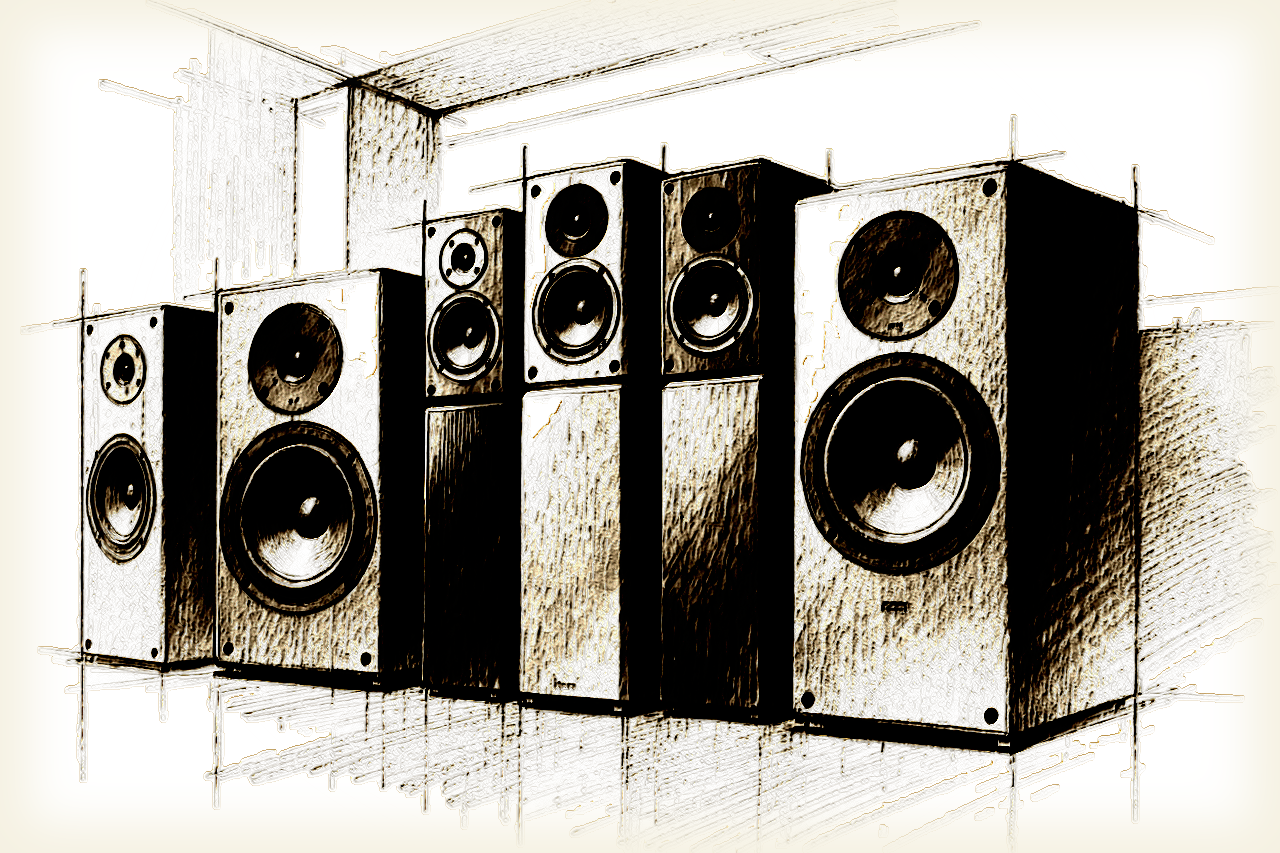
The Maximum AV Hosts event brought together Audioholics, Trinnov Audio, and RBH Sound to deliver an immersive experience based on Atmos and premium active systems.[1][4] Trinnov is known for its digital room correction technology and multichannel processing capability, while RBH Sound contributes its range of active speakers, including specialized bass towers and reference systems. This collaboration has a tangible foundation: decades spent refining how processor, speakers, and room can function in true coherence. The 'Atmos' tag or 'digital correction' alone is not enough, because no spec sheet details the dependencies between processor, channel distribution, cabling, subwoofer setup, and the physical space—and that's where the real challenge lies.[1][4]
What Changes for the Demanding Listener?
Beyond brands and logos, the critical point for enthusiasts or professionals is the entire signal chain: each link (source, processing, amplification, speakers, acoustics, calibration, daily use) introduces dependencies. An event like the one in Tampa allows observers to see—even as a design principle—just how far such modular, ambitious systems can fit into a real room. It is significant that none of the sources shares objective technical measurements (actual SPL, total distortion, in-room response, specific calibration), instead relying on claims of 'reference-grade' and 'unforgettable experience,' which are marketing terms rather than practical, verifiable indicators.[1][3]
The Questions the Spec Sheet Doesn't Answer
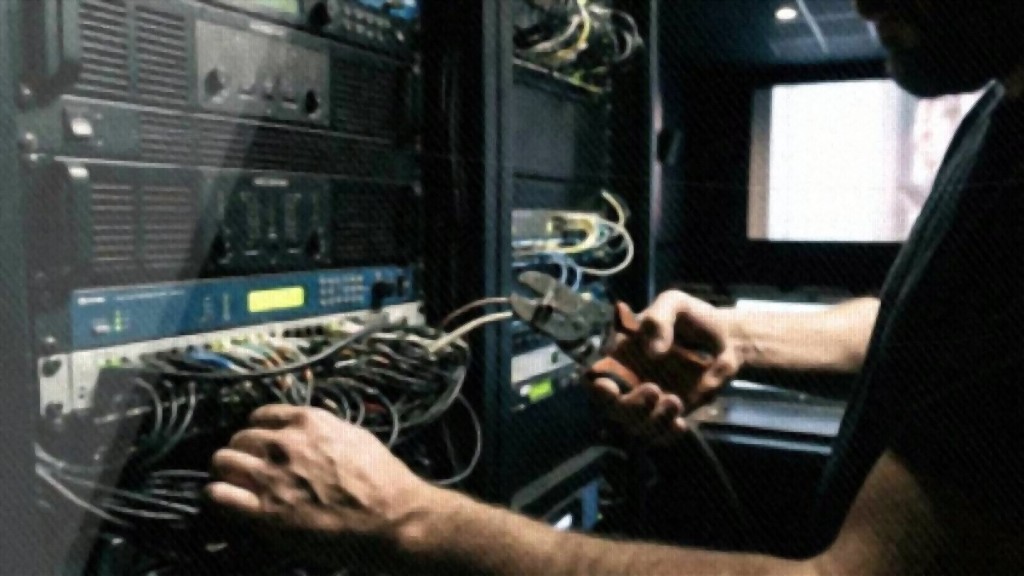
Many demonstration events are designed to impress, but a real room is not a spec sheet: execution is everything. For example: Trinnov highlights processors with 3D technology and advanced digital equalization, but how many input and output channels does the actual user require? Can the room's cabling support the full assignment? What about integration between active subwoofers and bass management processing? Many such answers only emerge during installation, and practical details are absent from brochures and press releases. Opting for premium components does not in itself guarantee superior performance if system design, physical implementation, and calibration are not handled as a whole.[1][4]
The Maximum AV Hosts Event: Facts and Gaps
Verifiable facts: the event took place on February 20, 2026, at Maximum AV in Tampa.[1][3] Four demo rooms were used, each equipped with Trinnov processors (model not specified) and RBH Sound speakers, including active bass towers ("active baffle arrays," with exact configuration not specified). The experience was promoted by both Audioholics and the manufacturers themselves.[1][4] However, none of the channels published technical performance metrics, connection diagrams, or systematic evaluations of multi-room integration.
Marketing Claims and System Reality
Media coverage featured phrases such as 'reference-grade experience' and 'unforgettable.'[1][3] This kind of language is common in promotional content, but for those planning a true Atmos or immersive room, the important thing is to understand the dependencies: what calibration is required for RBH active systems with Trinnov? Is there seamless interoperability via HDMI/eARC, or does bass management require specific approaches? The truth is, such events serve more to inspire and provide contact with the ecosystem than to resolve precise compatibility questions or guarantee sustainable use.
What the Reader Should Know Before Deciding
If your goal is to pursue a "reference-grade" Atmos/3D system, the main takeaway from the Maximum AV Hosts event is the centrality of integration: neither the most advanced room tech nor the most prestigious brand will in themselves solve the daily challenges of connectivity, interoperability, and acoustic adjustment. The spec sheet is only a starting point, not a guarantee of success. The real system requires end-to-end analysis of the signal path, an assessment of calibration dependencies, network control, subwoofer management, and physical compatibility checks in the room. Listening events and editorial coverage may suggest possible directions, but they do not replace the expert work of installation and fine-tuning.[1][4]
Closing: The Battle for Reliable Integration Remains
The Maximum AV Hosts demonstration perfectly illustrates the allure (and danger) of AV hype: complex technologies, promises of total immersion, and a marketing language in which every detail seems crucial. In practice, user experience and sustained performance depend on precise adjustment and treating everything as one complete system. The spec sheet does not solve integration. For those aiming to go beyond promises and build a serious room, the key remains a system-level approach—and critical caution for all that promotional material leaves out.[1][3][4]