

Pro-Ject CD Box RS2 Tube: Architecture, External Claims and Its Place in 2026
A source-led look at the Pro-Ject CD Box RS2 Tube: transport and DAC architecture, valve output stage, connectivity, market context and the limits of external sonic descriptions.
A CD Player That Rekindles the Debate: The Essential Thesis
The Pro-Ject CD Box RS2 Tube is interesting because it makes a specific architectural choice in 2026: a physical-disc source combining transport, conversion options and a valve output stage. That is a clearer story than “what matters beyond marketing.” The reader needs to know which functions are documented and which sound descriptions come from external coverage.[1][2][3][4]
Evidence boundary: Pro-Ject documents the product architecture and connections; specialist reviews supply attributed listening language. LineaSonora did not audition the player, compare its outputs or establish superiority over a separate transport and DAC.[1][2][3][4][5]
Verifiable Facts: Mechanics, Electronics, and Differentiators
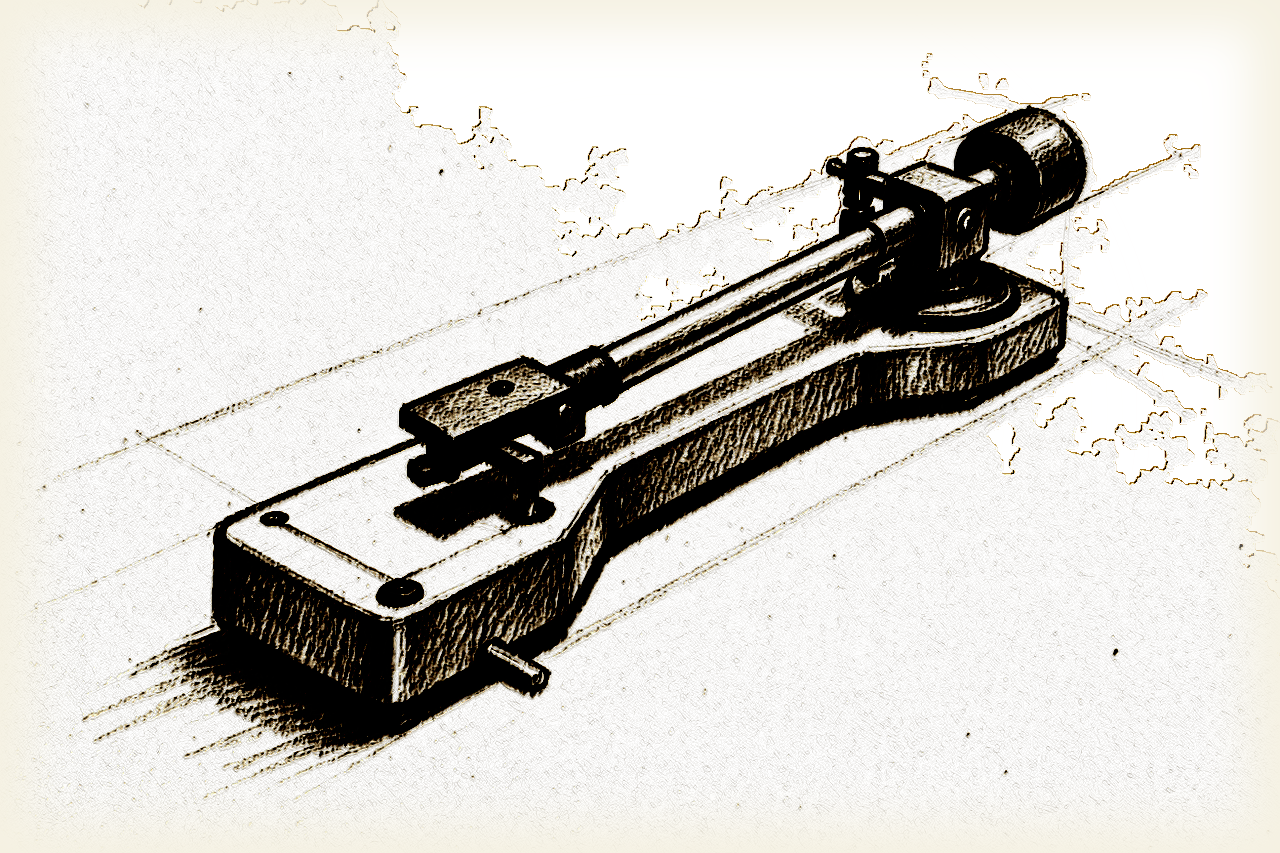
The Pro-Ject CD Box RS2 Tube is a full CD player (not just a transport), boasting a solid aluminum chassis, compact dimensions (206 x 84 x 200 mm excluding connectors), and a "half-width" design to allow for more flexible system integration at home[1][2]. The top-loading system, featuring a magnetic clamp and suspension, aims to reduce vibrations and maintain optimal optical and mechanical contact—a rarity for players at a similar price point[1]. This is documented both in official materials and technical reviews, suggesting a more stable CD reading process that aligns with the needs of critical listening[2].
A central point of distinction is found in its output stage: it employs a balanced E88CC valve, with both XLR and RCA outputs[1][2]. According to official descriptions and various reviews, this stage is not intended as a nostalgic gesture toward the "veiled" tube sound, but as an effort to provide a richer and more natural midrange, without losing energy or treble clarity—a decision, at least in principle, aimed at translating some of the emotion and engagement of live music, especially in terms of vitality and presence[2][4][5]. Alongside the tube, a Texas Instruments PCM1796 DAC is integrated, known in the industry for smooth conversion and a "sweet" tonality in similar configurations[1][2]. The entire circuit is differential, and according to Pro-Ject sources, the digital section is developed in Austria, while analog electronics and manufacturing are handled by the subsidiary StreamUnlimited, which has direct experience with high-end CD mechanisms[1][2].
Manufacturer Claims vs. External Scrutiny: What Holds Up
Pro-Ject's marketing—like much of the Hi-Fi sector—tends to emphasize the radical nature of its offering, using expressions such as "Guernica-sized" or "brilliant reproduction." However, these metaphors are not supported by measurements or independent analysis[2][4] and remain emotional or subjective suggestions. No published evidence indicates that the CD Box RS2 Tube supports hybrid SACDs or formats above Red Book, so real compatibility is limited to finalized CD, CD-R, and CD-RW discs[1].
Relevant international reviews—such as those from StereoNET and THE-EAR—report listening impressions in terms of "joy" or "dynamics," but, like Pro-Ject's communications, these remain subjective descriptions rather than quantifications[2][4]. Nonetheless, technical conclusions and block diagrams do acknowledge the effectiveness of the mechanical design and the low interference from the transport into the analog stage, with potential real-world benefits for noise floor and microdynamic handling, even though no independent public data backs this up.
What Listeners Can Realistically Expect in Domestic Use
The relevance of a device like the CD Box RS2 Tube for the high-fidelity listener lies less in dramatic measurable upgrades and more in its ability to bring a different energy and scale to playback than many current DACs or streamers, especially with original CD recordings that fully adhere to Red Book standards[1][2]. The top-loading mechanism and robust construction can indeed influence impressions of spaciousness and sonic stability: the disc remains steady, vibration is better suppressed, and instrumental or vocal focus may present with greater "physicality" and "air" in sufficiently transparent systems. This is relevant for those seeking—not precisely replicating, since a home system cannot fully render the physical or spatial dimensions of a live event—a more tangible or precise soundstage in their own environment.
The inclusion of a PCM1796 DAC in differential configuration, combined with the tube stage and the option for balanced output, can enable a less fatiguing and more natural timbre than many pure digital solutions. Put another way: Pro-Ject’s approach does not center on extreme technical numbers, but on a global listening concept, aiming for musical conviction, vocal presence, and agile microdynamics, without imparting an artificial "analog signature" to the sound[1][2][4].
Market Context and Immediate Legacy: What Changes Compared to Other Players
The CD Box RS2 Tube faces a market largely focused on digital libraries and streaming, though a strong niche of audiophiles continues to value physical CDs, especially original, uncompressed masterings. Compared to similarly ambitious players, the RS2 Tube leverages its real vibration reduction (top-loading mechanism, aluminum block) and the option for balanced tube output. Some competitors might offer some of these features—such as an onboard DAC or balanced outputs—but rarely combine them in a compact chassis.
No less important for CD collectors is expected mechanical longevity: Pro-Ject uses StreamUnlimited technology, a regular supplier for high-end solutions, and employs oversized components to guarantee, according to the brand, stability and longevity in CD reading[1]. While no official durability numbers or third-party stress tests for this generation have been published, the supplier’s reputation and track record in studio devices lend a degree of cautious confidence.
What Is Not Substantiated and Where Critical Judgement Is Needed
Across international coverage—including Darko Audio and THE-EAR—adjectives and metaphors are frequently repeated, and while they may be evocative for the reader, they should not be mistaken for facts or universal guarantees of "better" sound[2][4][5]. There are no independent measurements verifying dynamic range increases, lower jitter, or standout acoustic parameters against the competition, nor technical claims promising a live-event experience. Comparisons to live performances—so common in audio discourse—should be handled honestly: no player can put the listener in the literal physical, energetic, or environmental position of the original event; at most, what can be expected is an uptick in conviction and presence, qualified by each individual setup.
Anyone considering the CD Box RS2 Tube should sift through these layers of subjectivity and focus on what is verifiable: standard CD compatibility[1], mechanical robustness, compact design, and the coexistence of tube output with careful digital conversion. All else ultimately depends on personal preference, system synergy, and listening context.
Its fit depends on the system role
The decision is whether one chassis should provide disc transport, conversion and a valve-flavoured analogue path, or whether the system already has those jobs covered. Connectivity and serviceability are verifiable; tonal character and comparative value require a named system and controlled evaluation.