

Samsung prepares to enter the open-ear segment with the leaked Galaxy Buds Able
The discovery of the possible Galaxy Buds Able in internal code reveals Samsung’s interest in the open-ear clip-on format, although the brand has not confirmed the name, launch date, or specifications. This type of product changes how portable audio integrates into daily life, yet the boundary between leak and commercial reality remains blurred.

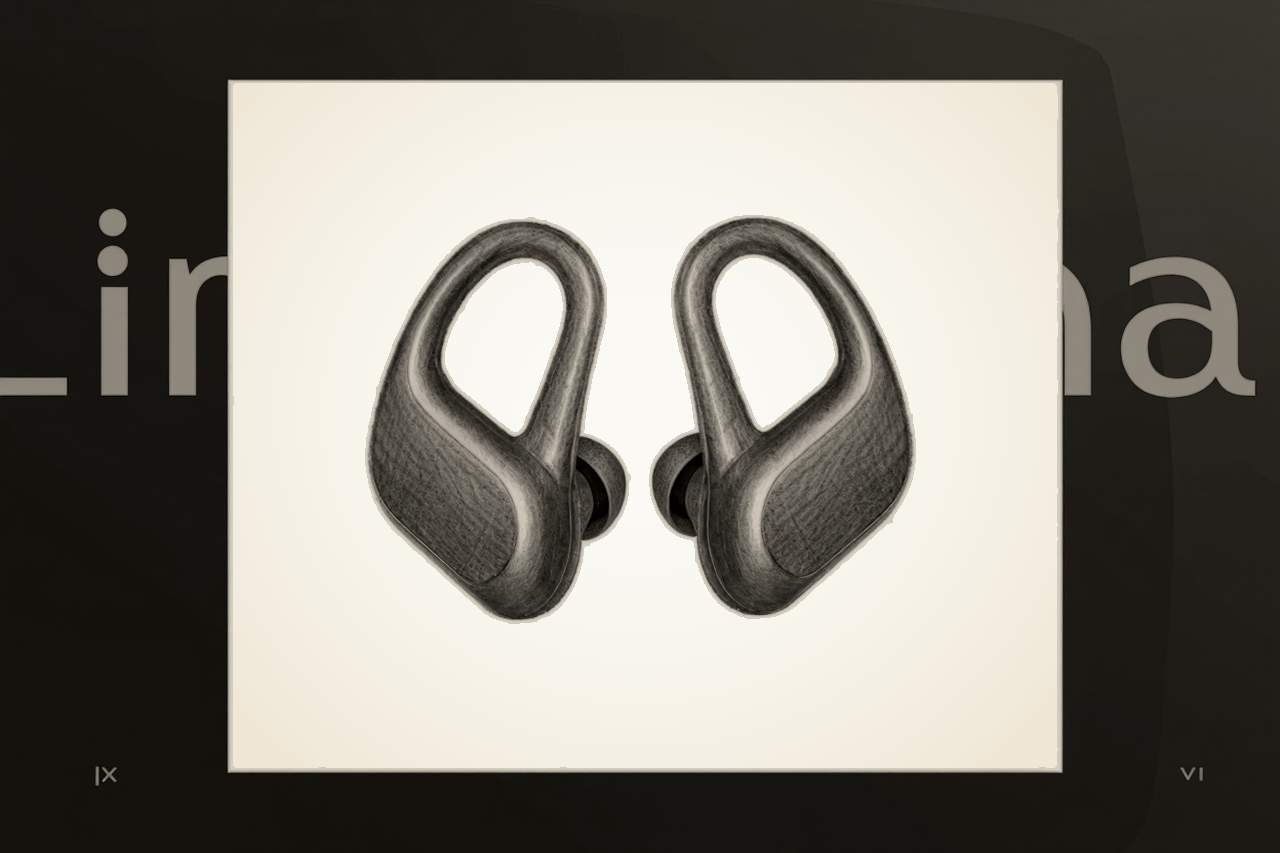
Samsung at the portable audio crossroads: Implications of the SM-U600 leak
When the portable audio industry signals a shift in trends, the early moves of giants like Samsung rarely go unnoticed. This time, the clues have not emerged from a triumphant announcement or a grand global event, but from a discreet line of code in the Samsung Wearable app, pointing to the model SM-U600 and possibly a new product under the provisional name Galaxy Buds Able[1][2][3]. The focus is not on a finished product but on what this leak anticipates: Samsung's leap into the open-ear or clip-on headphone segment, an expanding area marked by caution due to the lack of official data.
Implications: What does an open-ear clip-on design mean for listeners?
Beyond the buzz about names or launch dates, the key is how open-ear systems redefine a listener’s relationship with their surroundings. Compared to conventional in-ear solutions, clip-on models allow for less intrusive listening, where music, podcasts, or calls coexist with real world awareness. Experiences from brands like Bose and Shokz have shown that this format can vary significantly in scale, perceived energy, and vocal presence; music merges with the environment instead of isolating from it, transforming spatial perception and often resulting in less fatigue over long periods[1]. If Samsung confirms this move, it would not only follow the trend but could also redefine the open-ear experience within its own ecosystem, where expectations of integration and usability are especially significant.
The blurry line between leak and fact: What can really be confirmed?
The only undeniable component here is the reference to model SM-U600 and the mention of "Galaxy Buds Able" in a line of code found by users and specialized media in the Samsung Galaxy Wearable app[1][2][3]. There is no brand statement, no official specification sheet, and no confirmed product images. Nor is the commercial name validated: while "Able" is gaining attention in the media and user communities, some unofficial sources suggest the alternative "Galaxy Buds On", a debate still lacking direct documentary support.
With no information on price, launch date, technical details (drivers, ANC integration, battery life, materials), or markets, any assertion lacking official or clearly qualified press sources must be taken skeptically. References to hearing accessibility or functional orientations are based on conjecture related to the break in naming conventions, but not on information declared by Samsung[2][3].
A crowded market context (and Samsung's unique proposition)
The open-ear audio landscape is already well-stocked: mature, distinctive options like the Bose Ultra Open Earbuds, Shokz OpenFit, and less conventional experiments from Asian brands exist. That Samsung is exploring—or at least developing—the format reflects real market pressure: the demand for comfortable products that passively integrate with the environment and are less reliant on active noise cancellation is now a global trend[1][2].
However, the leap from a leak to a real listening product is a fundamental one: until Samsung formalizes its proposal, the SM-U600 remains a concept in development. Users should recognize that code confirmations only certify development, not imminent access or guarantees about audio performance.
Naming, rumors, and the marketing game: Speculation versus strategic novelty
If the "Able" naming remains, it would clearly differentiate from the Galaxy Buds4/Buds4 Pro line—possibly to highlight a distinct positioning within the catalog, such as enhanced accessibility, open-ear architecture, or alternative features to those typically linked to Samsung’s premium range. However, until confirmation arrives, any launch anticipation must be seen as tentative; previous product families have had their names changed in the months before official releases[2].
The current center of gravity is not technological promise, but the ability of media to distinguish between aspirational dossiers and reality. Possible mentions of 12 mm AKG drivers, speculative prices or noise cancellation integration appear in forums and social networks without substantiated validation, and should strictly be treated as unverified rumors.
For informed users: Caution and critical analysis until official announcement
Following the Galaxy Buds Able—or whatever their final name—matters to any listener interested in how the interface between music and environment is evolving in portable Hi-Fi products. Until Samsung officially reveals technical parameters, performance, and commercial model, it is prudent to remain cautious about expectations concerning energy, scale, continuity, or musical presence of the device.
Past experiences in portable audio remind us that only an official presentation (with technical documentation and first review opportunities) allows evaluation of how such a proposal translates technological ambition into a rich, committed listening experience, whether at home, on the street, or in real-world mobility. At this stage, it is vital to distinguish between code and promise: what truly matters for the listener—what and how you hear—remains an open question.
Sources and attribution: The line between announcement and leak
This article is based on cross-verification by the press, notably outlets such as What Hi-Fi?, La Razón, Geeknetic, and Pisapapeles[1][2][3]. All agree on the leaked nature of the information, relying on app code findings and not on official communications. Readers will find these references useful for context, but none—not even community leaks—amount to a product announcement with a real date, availability, or price.
Conclusion: What matters (still) isn’t in the software
The prospect of Samsung Galaxy Buds open-ear devices is intriguing not only for their technological promise but for what it suggests about the future of portable audio experiences. For the critical listener, the lesson is to remember that until there is something to actually listen to, any code leak or rumor is just a waiting game; editorial value, sure, but not hype. A system can only be judged when it transforms the act of listening itself, and making that judgment requires more than leaks: it requires music, space, and demonstrable audio conviction.