

Sonus faber Olympica G3 Collection: An Icon Rethought Under the Demanding Listener's Lens
The third generation of the Olympica Collection marks an aesthetic and conceptual statement for Sonus faber, but what does the brand actually claim and which technical uncertainties does it leave open for the modern high-fidelity enthusiast?

Introduction: genuine renewal or new marketing cycle?
Sonus faber announces with fanfare the arrival of the Olympica G3 Collection, the third generation of its classic loudspeaker family. The Italian firm, celebrated for its cult of design and evocative relationship with Vicenza's architectural culture, places at centre a aesthetic and technological reinvention looking both to the past and to capturing a new generation of listeners. However, beyond elegant lines and inspiring slogans, what material consequences does this collection represent for those seeking a real leap in high-fidelity listening experience? The 30 June 2026 international launch opens those questions: what lies beneath, how it fits premium domestic listening, and which technical absences should alert the informed enthusiast[1][4].
What is announced: the third life of an icon
The official Olympica G3 Collection announcement presents five models (V, III, I, Center, Wall) narrating, in Sonus faber lexicon, both consolidated heritage and potential technological refresh[1][4]. The collection seeks to establish itself as the new axis within the firm's high-end loudspeaker offer, targeting the sector where design and technique converge in sensory and emotional experience.
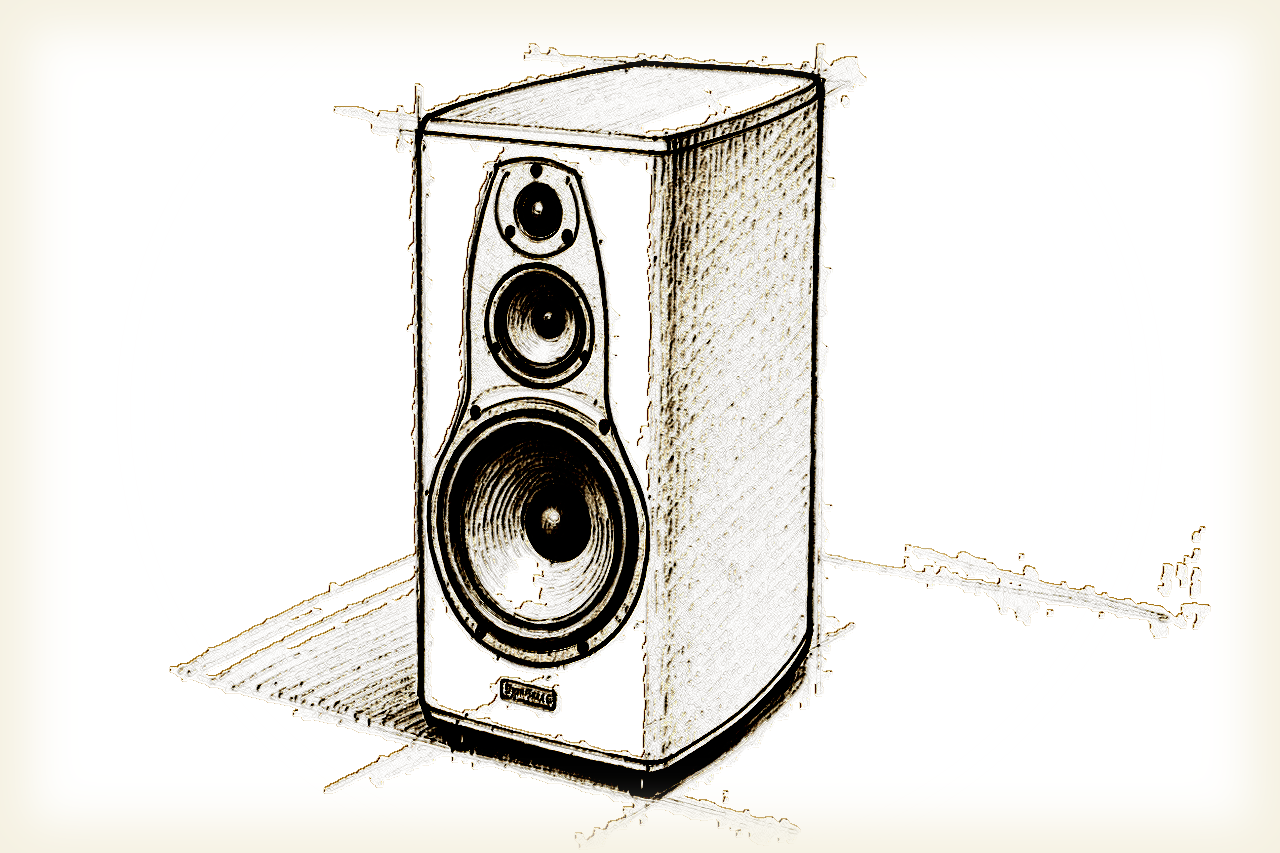
Among central attributes, Sonus faber emphasises adoption of a new midrange driver, 'Camelia', whose design is inspired by the camel flower and aims to reduce resonances and bring greater transparency and clarity, especially in the vocal register[1][4]. To this component is added integration of technologies and materials already tested in its flagship model, Suprema, such as craftsmanship in wood selection, leather, and 45-degree herringbone finishes, reaffirming the house's aesthetic and method continuity.
For whom: design culture, demand for presence, and conscious listening
Sonus faber communication is explicit: the typical Olympica G3 listener is both a seeker of visual beauty and auditory refinement. Inspiration from Palladio's Teatro Olimpico — symbol of proportion, stage, and atmosphere — translates into asymmetric enclosure forms, evoking the lute, and carefully carved wood details[4]. This collection addresses both the collector who prioritises object and its room presence and those pursuing a wide sound stage, with vocal projection aspiring to naturalness and nuance.
But for the enthusiast arriving from previous generations — G1, G2 — or from worlds where measurement and objective comparison are routine, one must ask: what concrete leap does G3 propose that was not already etched in Olympica genetics?
The problem it addresses: resonances and realism in modern listening
The Olympica G3 Collection's main technical argument is rooted in pursuit of a sharper, "more transparent" response in the mid band — that critical range for vocal timbral richness and many acoustic instruments. The new Camelia driver geometry, developed internally, seeks to minimise resonances that "dirty" the central register in conventional designs, with the promise of vocal realism closer to live experience, at least in terms of articulation clarity and physical presence at the room centre[1][4].
Equally relevant, integration of materials and techniques already superlative in Suprema seeks to distance this mid-to-high range from traditional compromises of its price band, though here limits are less measurable and more sentimental: emotion provoked by instrument or voice presence, spatiality of the stage created between the columns.
Credible differences versus the category and Sonus faber tradition
On the high-fidelity roadmap, much is promised about scale, body, and dynamics, but manufacturers rarely concretise their hypothesis beyond the headline. Olympica G3 anchors its differential narrative in two pillars: hyper-controlled aesthetics and a real revision of the acoustic heart in the mid band. For the first time, Sonus faber's mid-to-high-range speaker inherits literal flagship DNA not only in finishes but in driver technology, with Camelia as real distinction mechanics versus direct competition.
It is worth noting, however: neither official sources nor specialist press coverage present acoustic measurement data (frequency response, impedance, harmonic distortion) allowing objective quantification of these differences[1][4]. Thus, valuation of "significant advance" rests, for now, on brand assertions and surrounding aesthetic authority more than empirical evidence. The architectural inspiration legacy — asymmetric enclosure and herringbone wood finish — remains a Sonus faber hallmark, turning each cabinet into an object of presence as musical as visual.
Hype risks and critical vigilance for the informed buyer
In high fidelity, the border between generational leap and stylised marketing cycle is diffuse. The title "Reimagining an Icon for a New Generation" summarises that tension: Olympica G3 renewal is communicated more as statement of intent and visual claim than response to a vocalised shortcoming of the previous generation[1][2]. Secondary sources repeat, almost without reinterpretation, Sonus faber claims — clarity, emotion, refinement, legacy — without, as of publication date, support from independent measurements or objective comparison with Olympica G1 or G2.
For the rational enthusiast, this implies two risks: first, assuming qualitative advances without empirical proof beyond subjective listening; second, projecting onto the new range invariable virtues from marketing rather than judgements emerging from blind comparison. The buyer should view Olympica G3 both as celebration of design and sonic manufacture and as territory still lacking objective verification outside press release limits and brand impressions.
What the listener deserves to know before deciding
The potential buyer of a Sonus faber Olympica G3 — whether a brand veteran or newcomer to the Italian design altar — should demand at least three certainties: first, that none of the acoustic advances is, for now, backed by concrete public data; second, that real differences versus previous generations may be subtler than commercial narrative indicates; and, third, that experience, though fundamentally emotional and aesthetic, ultimately depends on real room, associated electronics, and music reproduced.
In sum, the collection is undeniably a piece of culture and presence in a listening room, but the exact scope of its acoustic claims remains to be documented. Until independent tests or published blind listening sessions arrive, every enthusiast should interpret the launch as invitation to personal, critical experience, not as absolute truth about scale or realism domestic high fidelity can reach versus live experience.
Closing: uncertainties, expectations, and the listening that matters
The Sonus faber Olympica G3 Collection is, more than any other recent brand launch, a test for the relationship between design and acoustic truth in the Hi-Fi universe. It promises beauty, continuity, and glimpses of flagship technology, but leaves open the question of how much of its "reinvention" can be perceived by the listener with critical criteria, in terms of real dynamics, scale, and vocal presence. The next word belongs not to the press release but to the room and musical selection of whoever decides to be convinced by something more than Italian high fidelity's visual lustre[1][4].