

Staccato Audio Black Unique BU-01 Amplifier: Pure Class A Design and a Black Acoustic Background
The Staccato Audio Black Unique BU-01 makes an uncompromising entrance into the high-end integrated amplifier category with a purist dual mono class A topology, handcrafted construction, proprietary electromagnetic shielding, and an unapologetic philosophy. We analyze its relevance, potential technical challenges, and the position it occupies in contemporary high fidelity.

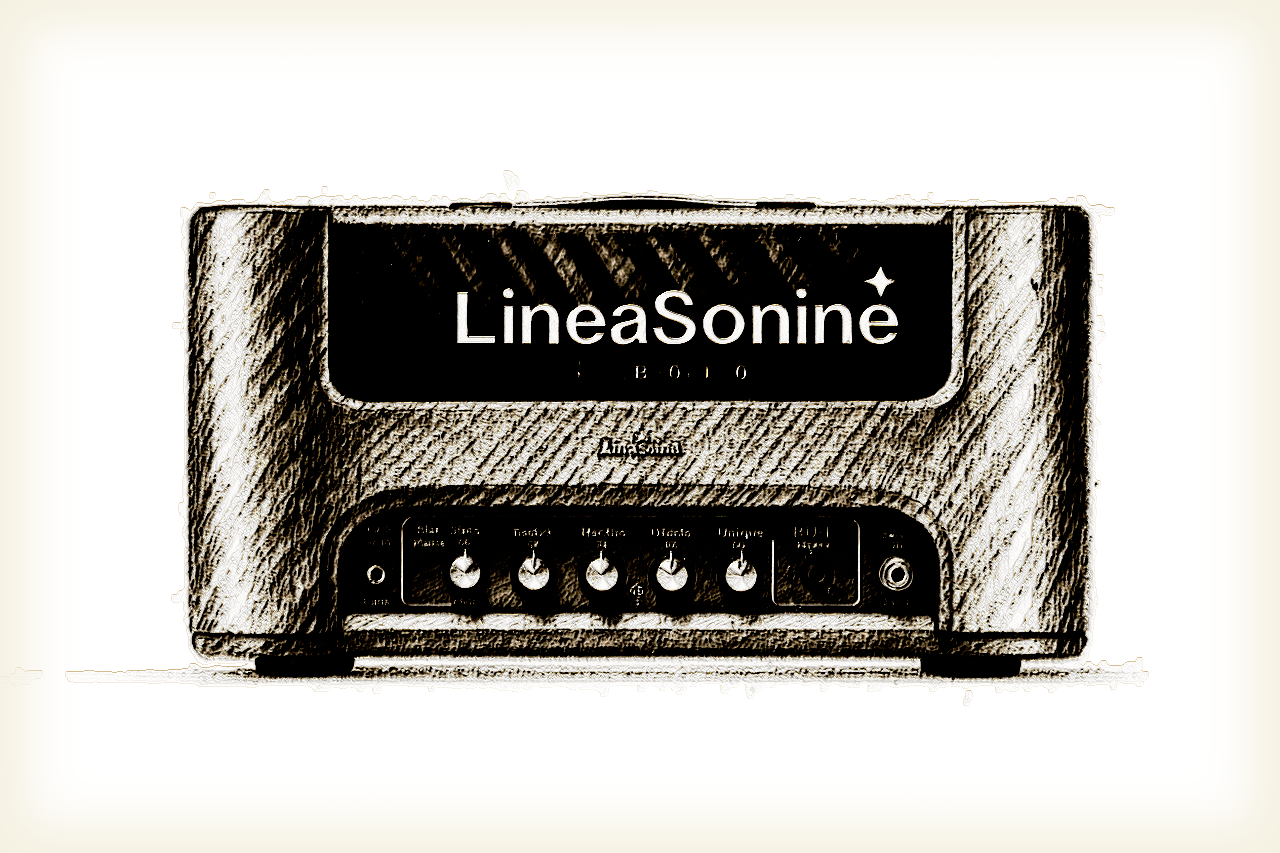
An Uncompromising Debut: Introduction and Context
The launch of the Staccato Audio Black Unique BU-01 stands as a statement of intent within the world of high-end amplification. The BU-01 is not just another model in a segment saturated by rapid technological iteration; it is a committed bet on pure class A design, employing dual mono architecture, assembled by hand, and featuring details that place it among the highest echelons of technical esotericism, such as its innovative electromagnetic shielding system. This profile is clearly aimed at a small but demanding segment of the audiophile community: those who prioritize conceptual purity and artisan execution above any other criterion, including energy efficiency, compactness, or practicality. To understand the significance of this launch, it is necessary to analyze not only what this amplifier promises, but also what it demands of the room, the system, and the user.
Class A Design: Foundations, Aspirations, and Limits
It is worth remembering that the term "Class A" refers to an amplification topology in which the active device—transistor or valve—conducts current throughout the entire signal waveform. This means every half-cycle of the audio signal passes through the amplifying element, minimizing crossover distortion and facilitating a fluid, continuous, and predictable timbre. However, Class A also means low energy efficiency: the amplifier draws peak current (and dissipates heat) even at idle, regardless of actual volume or the dynamics of the music program.
The BU-01, according to manufacturer documentation and external analysis, is a particularly strict exponent of this principle: it does not use hybrid topologies or switching mechanisms to reduce consumption, nor does it include Class AB compensation modules. This insistence on conceptual purity has direct consequences for both the physical design (dimensions, weight, heat sinks, high thermal capacity transistors) and the end user (ventilation requirements, heat dissipation tolerance, higher energy costs). This is not a product to install in a closed or small space without considering these practical variables. In real domestic environments, the heat dissipated by a purely Class A unit can affect both the room temperature and the wellbeing of the user and other nearby components.
Dual Mono, Shielding, and Craftsmanship: The Physiology of an Elite Amplifier
The "dual mono" implementation is more than just a label: it means that each amplification channel has its own independent power supply and signal path, minimizing crosstalk (intermixing between channels) and favoring a clean, solid, and stable stereo image. The physical independence of each channel increases the weight and size of the chassis significantly, resulting in the BU-01's substantial proportions. This is not just about robust design; it is applied physics focusing on reducing mutual interference and improving channel separation.
This is accompanied by a proprietary electromagnetic shielding system. The manufacturer claims to have developed exclusive technology to minimize noise induced by electrical and magnetic fields—an endemic problem in large, powerful amplifiers, especially where large transformers coexist with sensitive signal paths. In actual listening, the "black" acoustic background promised by these designs is a plausible result when shielding is well executed and the room's grounding and cabling are free from faults. However, without independent measurements or controlled listening sessions, it is prudent to remain cautious towards any promise of absolute silence or total immunity to residual noise.
System-Room Synergy: Requirements and Pairing
A purely Class A amplifier of this magnitude demands very careful integration with both loudspeakers and the room. Generally, such designs excel at delivering high current at low impedances (assuming the power supply is generously specified), which could allow them to control demanding loudspeakers. However, actual rated power and sensitivity to different loads (speakers with complex impedance curves or low efficiency) need to be confirmed against published data and independent experiences before assuming an ideal match.
Practically speaking, ambient temperature, ventilation, and distance from the wall (both rear and sides) become critical factors—not just for thermal safety, but also to minimize acoustic reflections that can muddy the stereo image. As a result, realistic placement in a living room often requires rethinking furniture distribution, base height, and controlling dust or ingress of foreign objects into the chassis heat sinks. A heavyweight design like the BU-01 can also complicate installation and adaptability in spaces that are not specifically dedicated to high fidelity.
Rarity as a Principle: Market, Exclusivity, and Caveats
In the context of today's high fidelity landscape, where amplifier manufacturers seek to balance practicality, power consumption, and performance, Staccato Audio's decision to launch the BU-01 as a purely Class A, dual mono, handcrafted integrated is as much a differentiation strategy as it is a reaffirmation of high-end audio tradition. Rarity here is not only about limited production, but also about technical reasoning: few manufacturers are willing to take on the energy, weight, and usability costs involved in embracing pure Class A at this level of output and mechanical sophistication.
However, this drive for exclusivity and purism can lead to hype, where the perceived value and mythology around a black background, craftsmanship, or shielding tend to overshadow fundamental questions about real integration in the room, objective power limitations, and basic maintenance needs. Users should consider whether their usage conditions (room size, listening distance, speaker types, power supply quality) align with the demands of such a demanding component—beyond the fascination with technical esotericism.
Balance, Realism, and Open Questions
In summary, the Staccato Audio Black Unique BU-01 represents one of the clearest examples of purist design in high fidelity, where engineering and craftsmanship aim for the maximum signal purity and noise minimization. However, this formal excellence comes with unavoidable practical implications: considerable heat dissipation, significant logistical demands, sensitivity to speaker pairing, and a clear orientation toward listeners seeking—and able to accommodate—an uncompromising experience, even if not without tangible sacrifices.
A more extensive verification of its specifications and technical performance under controlled conditions remains pending. Thus, the BU-01—commanding both admiration and caution—should be evaluated as part of a complete system: pure excellence in a single component can only be revealed when the environment—acoustic, electrical, and human—accommodates, accepts, and meets the demands of the design.