

Strymon TimeLine MX: two engines at once change the scope of its delay
Strymon’s new multi-delay pedal runs two engines simultaneously, adds flexible routing, four new delay algorithms, a dedicated reverb and a five-minute stereo looper. The workflow proposition is clear; sonic superiority is not yet established.

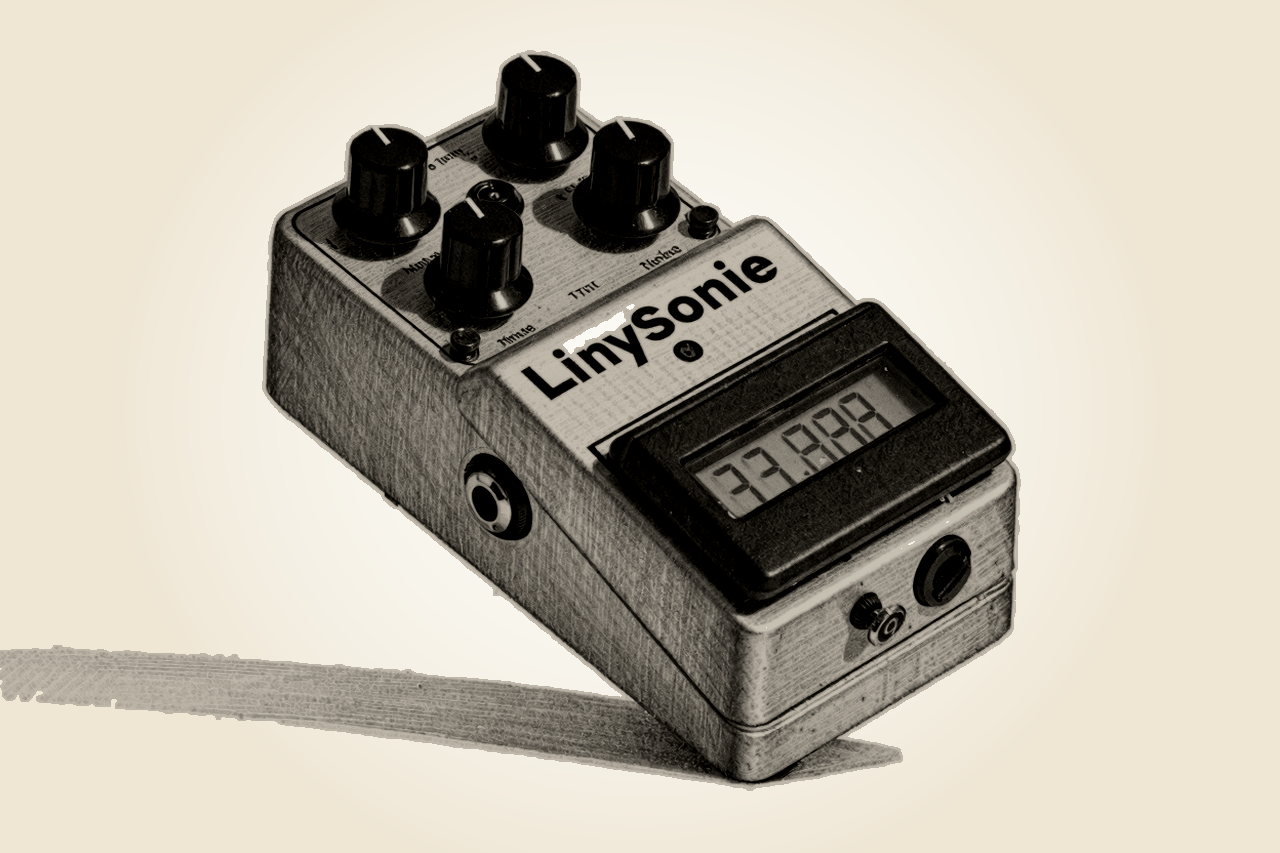
The meaningful part of Strymon’s TimeLine MX announcement is not simply another delay pedal. The new unit can run two engines at the same time, with Series, Parallel or Split routing. That is a more consequential change in workflow than a revised finish or an expanded preset list. Strymon presents the TimeLine MX as a new multi-delay in its TimeLine family, and specialist launch coverage also identifies the dual-engine design as the central addition.[1][2][3]
What Strymon is actually announcing
The documented additions are four delay algorithms—Oil Can, Spectral, Drum and MultiTap—plus a dedicated reverb engine.[1][2][3] “Four new delays and a reverb” is the clearest description. It avoids an ambiguous total-engine count, since different materials may count delay types, reverb and processing configurations in different ways.
Strymon also lists a five-minute stereo looper among the TimeLine MX features.[1] The manufacturer’s product documentation establishes the announced functions and its terminology. It does not, on its own, establish how the looper or the new algorithms perform in a recording session, on stage or within a particular pedalboard.
Why two engines change the use case
Running two processes simultaneously may allow a player to place delays in series, use parallel paths, divide processes between outputs, or pair delay and reverb within one enclosure. These are workflow implications of the documented routing modes, not listening impressions.[1][2][3]
For a guitarist, producer or sound designer already combining delay and reverb—or using two delays with different routing—this architecture could reduce the amount of external hardware needed for a given setup. It may also suit stereo rigs that need more than one effect path without adding another pedal. That does not mean it will replace several pedals successfully in every genre, rig or production context; the announcement does not demonstrate that outcome.
Who it may matter to—and who it may not
The natural audience is musicians and creators using instrument effects: guitarists, performers with stereo rigs, home producers and sound designers. For LineaSonora readers, the connection is therefore musical creation and domestic production rather than playback-system upgrading.
The TimeLine MX is not a domestic Hi-Fi component, nor is it presented as one. Someone looking only to improve music reproduction through a home stereo system is considering a different category of product. Its relevance lies in what it may contribute upstream, while music is being played, shaped or recorded.
An evolution of TimeLine, not a sonic verdict
Within the TimeLine family, the substantive change communicated by Strymon is architectural: two engines can be combined and routed in several ways, while new delay algorithms and reverb expand the available processing palette.[1][2] That makes this more than a cosmetic continuation of the line.
It does not establish that the TimeLine MX sounds better than an earlier TimeLine or any competing delay. The supplied material provides no independent comparison of sound quality, latency, noise, control ergonomics, reliability or value. Nor does it support universal claims about MIDI compatibility or integration with every amplifier, interface, controller or pedalboard.
What the launch still does not settle
Launch coverage has repeated descriptions such as “most powerful delay ever” and “ultimate delay pedal”.[3][4] These are commercial positioning claims or launch-era framing, not results from a standardised comparison. Likewise, characterisations of individual algorithms should remain attributed to Strymon unless independent testing evaluates them.
The TimeLine MX is therefore a credible product development on documented functional grounds: it concentrates simultaneous processing and flexible routing in one pedal. Its practical case is strongest for users who already need two processes at once and want fewer separate units. Whether that concentration justifies its interface, integration demands and market price remains unresolved by the announcement itself.