

SVS SB-5000 R|Evolution: A 15-Inch Subwoofer Still Begins With the Room
SVS SB-5000 raises AV integration questions its technical sheet leaves unanswered.
When Specifications Don’t Tell the Whole Story: A Subwoofer of Decisive Numbers
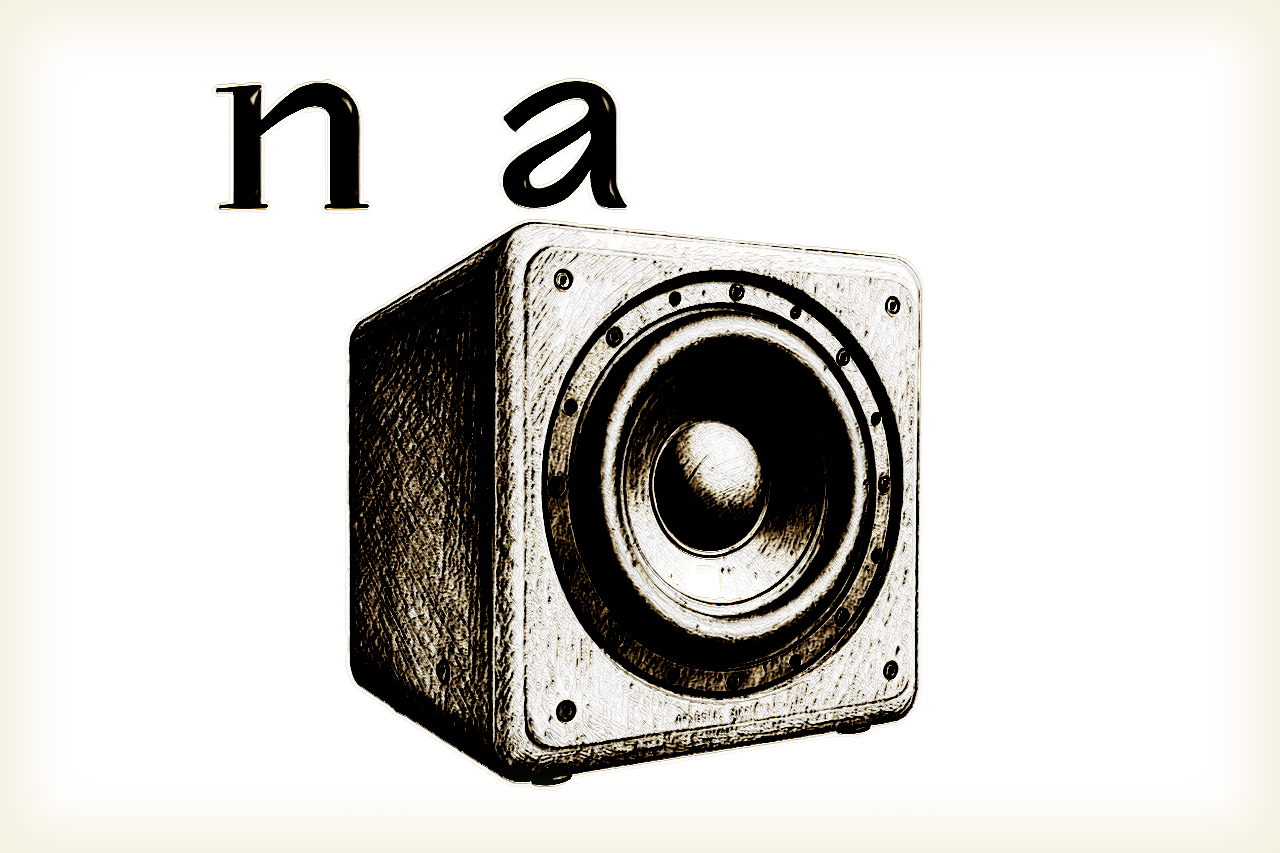
The world of high-performance subwoofers continues to fuel industry expectations, and the SVS SB-5000 R|Evolution arrives as a technical leap in the line of home bass loudspeakers. The spec sheet is as decisive as expected from the brand: a sealed 15-inch driver, 2000 W RMS and more than 5000 W peak under the control of a 295 MHz Analog Devices DSP, all managed via a fine-tuning mobile app[1][2][3]. However, between the strength of marketing and the reality of integration in home cinema, critical questions are missing from the data sheet.
What the Specs Say… and What They Omit
Based on official documentation and coverage from the specialist press, the foundation is clear: a robust driver with large excursion, sealed enclosure, dual monoblock class D amplifier, and parametric DSP accessible from the app[1][2][3]. This enables configuration of low-pass filters, phase, and basic room resonance compensation from your mobile device. The documented low frequency response reaches 17 Hz, positioning the SB-5000 among the subwoofers with the most palpable low-frequency energy in the residential range[1][2][3].
Within these details, all key technical elements—nominal power, mechanical excursion, amplification topology, and DSP type—are confirmed both by SVS's product note and independent sources[1][2][3]. In other words, the SB-5000 R|Evolution is what it claims to be... on paper. However, careful analysis of the spec sheet reveals what isn’t there: concrete maximum sound pressure level (SPL) figures, distortion measurements, stress test data from real-world environments, and—crucially—clear information on how this subwoofer integrates into AV systems with modern multichannel receivers.
Real Integration: Where the Problem Begins
The room comes before the wattage
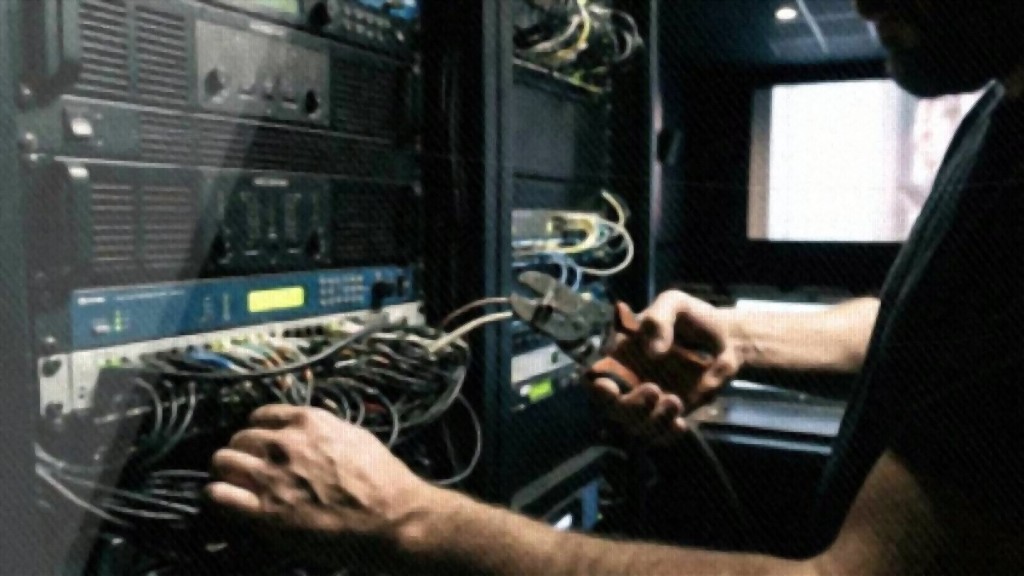
Víctor Torres starts with the installation drawing: room volume, seats, viable subwoofer positions, crossover responsibility and calibration route. Driver size and amplifier figures identify the hardware, but they do not reveal which seats will receive even bass or how much correction the placement will demand.
- Signal Management: How do the SB-5000’s 2000 W and deep response fit when paired with AV receivers (AVR) featuring diverse bass management architectures? It’s not enough to be "powerful"—integration requires appropriate adjustment of level, phase, and crossover curve starting from the calibration process.
- Atmos and Multichannel Compatibility: The SB-5000 can deliver massive bass, but its potential only materializes if both room and AVR processor allow coherent integration. The 'big sub' can end up underused if the AVR’s bass management system or atmos topology causes crossover overlaps, incorrect phase, or in-room cancellations.
- Day-to-Day Control and Reliability: App-based access is an advantage, but depends on the ecosystem: in a real room, not every user is experienced with digital adjustment, and not all AVR/sub combinations respond identically to DSP commands. The spec sheet also fails to provide a documented compatibility matrix for common Denon, Marantz, Yamaha, Arcam, etc. setups, demanding a high level of user knowledge.
None of these questions appear on the product specification and—unlike the “feel every cannon blast” claims SVS uses—these do determine the outcome in real-world home integration[1][2][3].
Advanced DSP: Sufficient for Every Scenario?
The inclusion of Analog Devices DSP opens the door for highly precise individual adjustments. Users can finely control phase, gain, filter slope, and room compensation (for example, low-pass filters adjustable in 1 Hz increments from 30 to 200 Hz)[1][2][3]. Theoretically, this allows for optimal subwoofer integration with main speakers and multichannel systems, but the real process is left to the user—or the professional who installs and correctly calibrates it.
The actual limitation surfaces when the environment requires professional integration: not all AV receivers properly handle dual filtering (their own and the sub’s); not all setups allow full exploitation of mechanical excursion without causing modal overexcitation or severe in-room cancellations at critical frequencies. Without on-site measurement (REW, UMIK microphone, multiple subs), advanced DSP integration remains a limited, compromise solution.
Practical Consequences: Beyond the Promise of Impact
Commercial specs highlight the power (“over 5000 W peak”), depth (17 Hz), and app-based customization capabilities, but do not provide real SPL (maximum sound pressure level) values, distortion maps, or examples of integration in complex spaces. Thus, the tagline “feel every impact” remains unsubstantiated outside the manufacturer’s laboratory[1][2][3]. Informed users should examine their room, AV processor, and system topology before expecting a radical difference over less powerful but better-integrated models.
In practice, subwoofer choice should follow a coherent system logic: does your AVR manage such a powerful sub without introducing distortion? Can your room handle 17 Hz energy without modal ringing that muddies the entire bass range? Does the user have either the knowledge or access to installation services to calibrate phase and crossover points precisely, using the DSP beyond its automatic mode?
What Users Should Know Before Buying or Installing
Though the SB-5000 R|Evolution meets all the technical specifications claimed by SVS and validated by independent press[1][2][3], it still does not bridge the gap in documentation for real-world integration. There are no compatibility lists for popular AVR systems, realistic SPL maps, or in-room calibration scheme examples. Nor is there evidence in public sources that the sub outperforms concrete competitors on integration parameters, aside from brute force metrics like power or excursion.
Therefore, my recommendation is pragmatic: consider the SB-5000 as a powerful and flexible platform—but do not assume integration will be plug & play except in well-planned systems calibrated by a trained professional. Advanced users will find genuine control through its DSP and architecture, but should accompany the purchase with acoustic analysis and study of compatibility with their AVR and room.
Conclusion: Integration Beyond Power
The SVS SB-5000 R|Evolution exemplifies the paradox of the modern subwoofer: impressive numbers and broad technical options, yes, but no guarantee of automatic integration or perceptible advantage in real rooms unless the entire system is well-calibrated. The data sheets and marketing deliver, but viable experience depends on the system logic binding room, processor, sub, and calibration together. Every informed buyer should analyze not just the sub, but the whole setup before deciding to invest[1][2][3].
Turn the shortlist into a placement plan
Before treating the SB-5000 as an upgrade, mark at least two viable positions, define the main-speaker crossover and decide how results will be checked across seats. The specification sheet can describe capacity; only a controlled room plan can establish integration.