
News

Woojer Vest: Between Physical Immersion and Verifiable Specifications

The Woojer Vest promises to transform audio interaction by converting low frequencies into physical sensations, but beyond the marketing claims, its value depends on the room, expectations, and technical verification. We analyze what it truly adds, for whom, and under what conditions.

  • home-technology-review
  • speakers
  • review-external
  • woojer
  • vest
  • missing
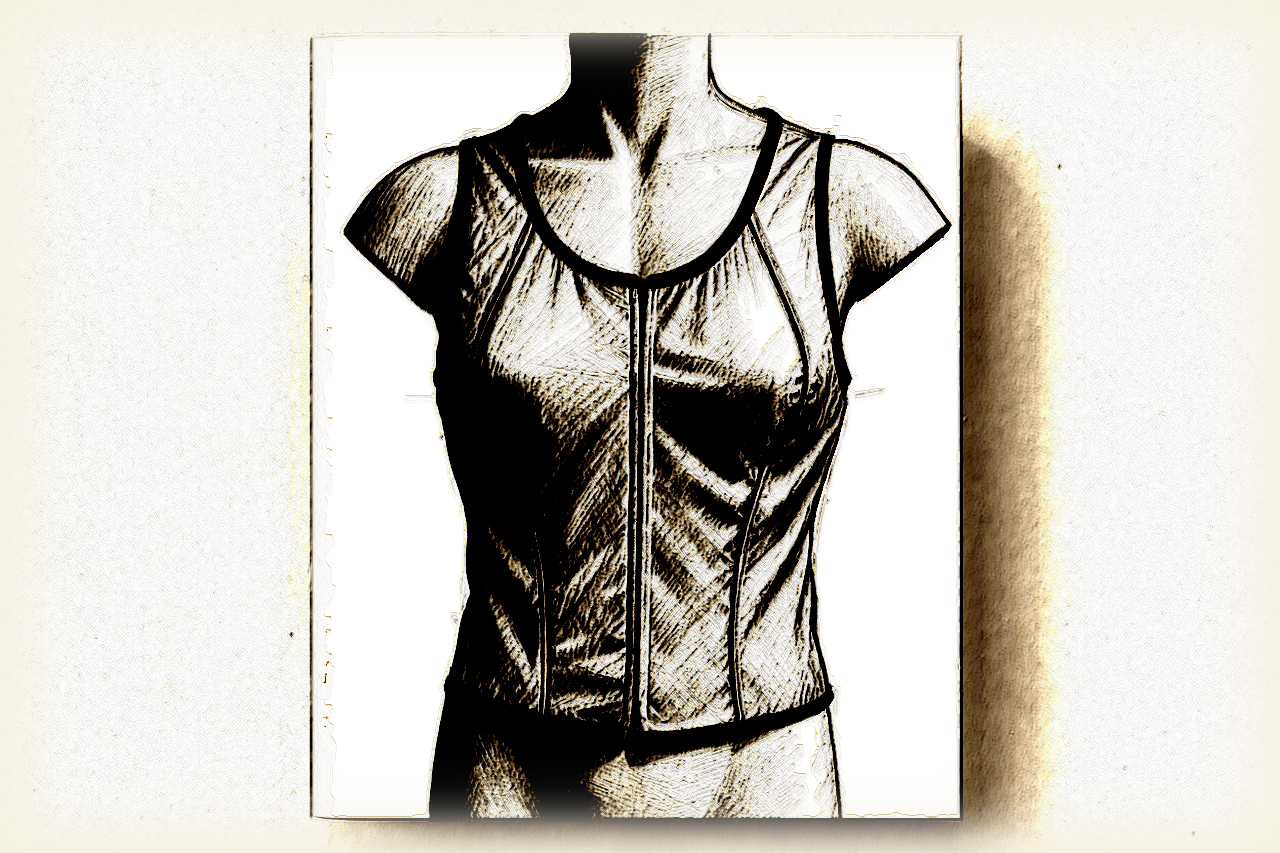
Woojer Vest 4 haptic wearable for immersive audio experience

Introduction: From Specifications to the Body — What Does it Mean to "Feel" Audio?

The Woojer Vest 4 enters the market as a specialized haptic device: a vest that translates the low-frequency range (1–250 Hz) of sound into physical vibrations distributed across the torso[1][2]. The promise, reiterated in official communications, is simple in its ambition: to bring the user closer to the idea of 'immersion,' literally allowing them to feel music, video game effects, or the intensity of a movie. But how does this specification translate into real-world experiences? And above all, what can it actually offer—and what can it not offer—depending on the home context and listening system?

Structure and Technology: What Defines the Woojer Vest

It is essential to distinguish between aspirational marketing and technical facts. The Woojer Vest 4 includes six patented Osci™ TRX2 transducers, arranged to cover 360° of the upper body. Its declared operating range spans from 1 to 250 Hz, although some sources mention a 200 Hz upper limit—a minor difference but a relevant one in certain settings and applications[1][3][7]. In practical terms, this covers most of the physical energy produced by kick drums, bass, and special effects, though outside that spectrum the haptic experience diminishes.

The Vest is powered by a rechargeable battery (approximately 10 hours of use), supports both digital and analog inputs (USB-C, Bluetooth 5.0, 3.5mm jack), and adjusts signal processing (DSP) in real time to provide multichannel or stereo responses[1][2][7]. Weighing 1.6 kg and featuring adjustable straps, it is designed to fit different body types.

What Really Changes for the Listener?

In a real room—beyond the lab or promotional video—the key contribution of the Woojer Vest is the direct conversion of acoustic energy into tactile sensation. Unlike conventional speakers—or even high-pressure subwoofer systems—the vibration is transmitted directly through the vest, not relying on overall volume or room response. This can be especially valuable in homes where, for reasons of cohabitation or space, it is not possible to experience the physical impact of deep bass through conventional transducers[3][7].

In the realm of video games or virtual reality, the Vest can sync with multichannel events to create an enveloping sensation and enhance emotional connection or alertness. For music, it acts as a bridge between the physicality of real bass and the physical limitations of compact home systems.

Technical Limitations and Usage Conditions

The Osci™ TRX2 transducer system offers more precise control than the simple vibration motors of classic gaming vests, but the nuance lies in temporal resolution: the immediacy and fine articulation of dynamic changes depend as much on the input signal as on the DSP's own processing. If the listening environment does not allow for differentiated bass events to be isolated, the experience may be reduced to generalized vibration, rather than a selective segmentation or 'mapping' of each musical element[1][3]. Furthermore, haptic perception is determined not only by the specification but also by individual physiology and tactile sensitivity, making it difficult to transfer the user experience between different listeners or scenarios.

Regarding synchrony, any latency from Bluetooth or multichannel processing can affect sensory credibility; therefore, cable connection and signal optimization in the chain become technically significant. Clothing and body fit directly influence perceived clarity and pressure: the final experience depends as much on physical adjustment as on the electrical signal.

From Enthusiasm to Skepticism: What Independent Sources Say

Specialized reviews highlight the Vest's ability to transform gaming, VR, and cinema experiences, especially in contexts where surround sound must be 'contained' rather than externalized[3][7]. However, there are critical voices in online (non-specialist) communities who argue that the Vest's haptic precision does not always translate into a 'qualitative leap,' noting that the richness of the experience can be poorer in complex music or that the haptic effect feels artificial or redundant in already well-configured multidirectional audio systems[6]. It should be noted that reviews on Reddit or social media videos lack technical traceability or variable control, and may be biased by expectations or improper use.

The discrepancies regarding the actual maximum frequency (200 Hz or 250 Hz) highlight the need for caution in interpreting technical sheets, especially when comparing the Vest 4 to earlier models like the Vest Edge. Regional variability in prices and promotions also makes it difficult to identify a single structural value in terms of cost-benefit[1][3][7].

Real Synergy: Does It Expand or Replace Conventional Systems?

From a synergy perspective, the Woojer Vest stands more as a complement than as a replacement for traditional speakers or subwoofers. Neither its haptic specifications nor DSP processing are intended to substitute for the spatiality, stereo imaging, or acoustic continuity required for critical high-fidelity listening. Rather, its proposition fits into the category of multisensory experience, useful in environments where sound pressure must be minimized or where the purpose is to maximize private enjoyment without disturbing others.

In terms of room setup, the Vest shifts the issue of acoustic treatment to another variable: direct bodily transmission. However, the final quality still depends on the right combination of input signal, content framing, and user expectation. Its greatest contribution is in scenarios where a physical experience is desired but unachievable with conventional speakers: apartments, late-night sessions, virtual reality environments, or users with limited perception of the bass spectrum.

Conclusions: Informed Decisions, Adjusted Expectations

The Woojer Vest 4 fulfills the concept of "The Missing Piece" by offering an immediate physical dimension that, in effect, no speaker or headphone can deliver in complex rooms or shared environments[1][2]. However, its usefulness and value are subject to honesty in expectations: a haptic device will not amplify musical information that doesn’t exist in the signal, nor will it turn compressed tracks or poorly configured systems into transformative experiences.

The decision to buy or install should be based on one's own listening reality: am I looking to blend physical sensoriality with my everyday music and video games in a room where bass is contained? Or do I expect to replace the sound pressure of a critical subwoofer in a dedicated installation? Each context defines the synergy and value of the Vest. The informed user, who understands its limits and verifiable promises[1][3][7], will enjoy a unique device if integrated precisely within their system and room. But as with all real acoustics, there are no miracles beyond technical parameters and realistic expectations.

Contact

Contact LineaSonora

For distribution, brand representation, integration projects or editorial enquiries.

[email protected]