

Shy Audio 90s Smack: A Launch That Reimagines the 90s for Digital Production
Shy Audio's Shy 90s Smack plugin brings the grain and compression of 1990s hardware into the modern DAW, but the informed reader needs to discern what lies behind the announcement: which sources support it, what the plugin truly promises, and what hype risks exist in the category.

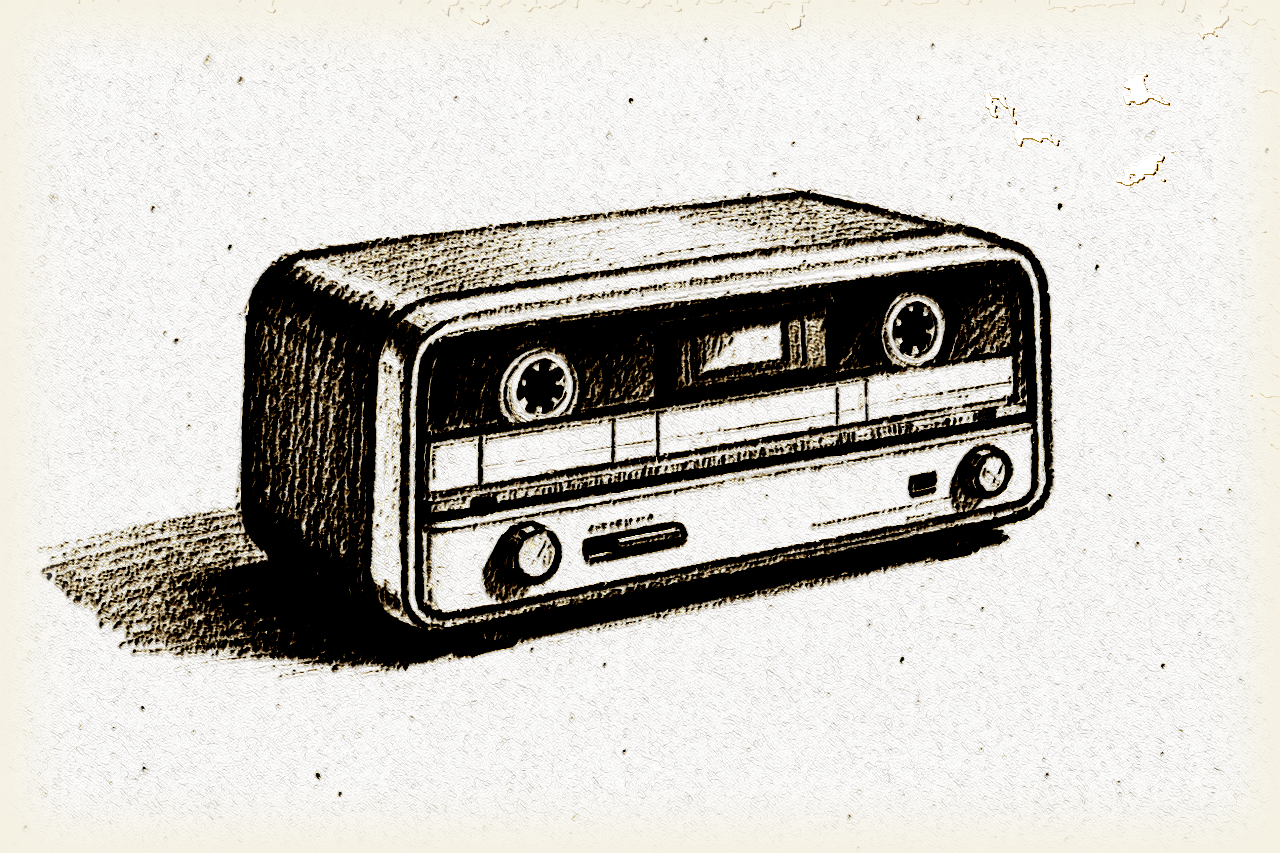
A 90s compressor, now for the DAW: consequences for production
The arrival of Shy 90s Smack places Shy Audio in a relevant, concrete discussion: is it possible to transfer the textures, distortion, and dynamic response of 1990s rack compressors to digital production credibly? The plugin, officially announced on the brand website and available as a free demo[2], promises to revive the energy and colour that defined producers and genres from Berlin techno to breaks and hip-hop groove in the pre-digital era. But this news matters only if its claims are anchored in tangible, verified functionality and if it points toward a concrete change in the modern studio audio landscape.
Who is Shy 90s Smack really for?
The promise of Shy 90s Smack resonates with two types of listeners and creators: those seeking to give projects a patina of authenticity inspired by vintage hardware, and those demanding complete digital solutions that do not sacrifice flexibility or workflow. According to official information, the plugin combines compression, expansion, de-essing, and peak limiting with sidechain control in a single interface[2][6]. This multifunctionality places it as a tool for electronic, urban production and any style where creative dynamic management is part of the musical process, imitating the type of energy that in the 90s required racks and cables.
What problem it addresses: energy, punch, and hardware-era colour
The historical problem is clear: while DAWs and plugins have democratised access to digital processing, few achieve that physical sensation, the "crunch" and aggression that brands such as the DPR-402 injected into drums, bass, and vocals in 90s dance production[2][6]. According to Shy Audio, 90s Smack specifically models those characteristics, not only as standard compression but also seeking to modulate presence and the breakpoint typical of emblematic recordings. Freedom to add colour, movement, and above all that touch of 'punch' that generic plugins rarely match is why an emulation like this attracts producers seeking classic texture and energy.
Verifiable differences versus the category: functionality and context
In the dynamics plugin sector, abundance of options leads one to ask what distinguishes this Shy Audio launch. From specialist sources such as KVR Audio[6] and official documentation, it can be stated that Shy 90s Smack includes not only classic compression and expansion but also de-essing, peak limiting, and flexible sidechain. This separates it from many emulators focused solely on the main compression path or limiting, and brings it closer to current workflows based on layers, automation, and parallel processing. Inspiration, cited by the brand itself and visible in promotional material, is the specific flavour of "hard" processing with personality, characteristic of the 90s bedroom studio and now sought by top-line producers, drum machine users, and intensive sampling.
Furthermore, available formats (VST3, AU, AAX; macOS and Windows) position it in the "no excuse" tool category: compatibility is broad and no hardware dependencies or specific dongles are declared in current documentation[2][6] — though the reader should be cautious about possible policy changes in future versions.
Reality behind the announcement: hype risks and limitations
But in the category of plugins that "emulate the analogue", enthusiasm often crosses the line of informed scepticism. Neither the official website nor independent catalogue reviews offer technical performance data — latency, CPU use, or impact on the audio chain — which limits decision-making for the professional user[2][6]. Likewise, information about the free demo points only to availability, without specifying whether it is limited in functionality or time: a basic precaution before basing a workflow on the plugin. And although inspiration from legendary hardware is explicit, no physical response measurements nor external verification of the emulation are published: here hype risk depends on how far the producer accepts brand statements versus practical results.
In commercial transparency terms, another critical datum remains off radar: final price. Without a declared figure — and with evidence that Shy Audio often varies prices between similar products[1][5][6] — informed decision remains suspended unless future updates appear on the official site.
What the high-fidelity and production reader should ask
For the Sound on Sound user — from beat producers to those reimagining the 90s in modern terms — the news is relevant only if the plugin's character and density translate, in auditory terms, into attributes such as: immediate attack, controlled saturation, impactful transients, and a sense of physical movement that surpasses flat digital processing. The musical context demands that the plugin be usable both on individual tracks (percussion, bass, vocals) and on buses or even mastering, without sacrificing clarity or spatial presentation.
Without independent large-scale listening tests nor performance benchmarks, Smack's potential remains, at least for now, in its workflow and character promise: will that "crunch" the brand sells as its signature withstand direct comparison against hardware or against other reference plugins? The question remains open and should be explored with caution — not only in promotion but in complete systems, real production, and concrete electrical situations.
Closing: analysis without excess
The arrival of Shy 90s Smack represents a clear intention to recover 90s energy, colour, and technique in the contemporary digital studio, aligned with trends to revisit old workflows under new environments. But for the demanding high-fidelity and production reader, the announcement must be read with discipline: official data and direct source support are solid regarding features and compatibility[2][6], but absence of deep technical specification, price, and verified auditory results invites waiting for new evidence before adopting the plugin as the "punch secret". The discussion remains, for now, at the intersection between nostalgia and practical utility, in a category where comparison with live performance — what the original hardware does suggest — continues to be a diffuse frontier.