

Vertere Phono-1 LX: What Changes in the Audiophile Vinyl Scene When the Master Breathes?
The Vertere Phono-1 LX represents a major update in the analogue chain, reinforcing the phono preamp's role against high-definition pressings. How far does tuning this stage affect an audiophile master's sonic potential, and what should enthusiasts realistically expect?

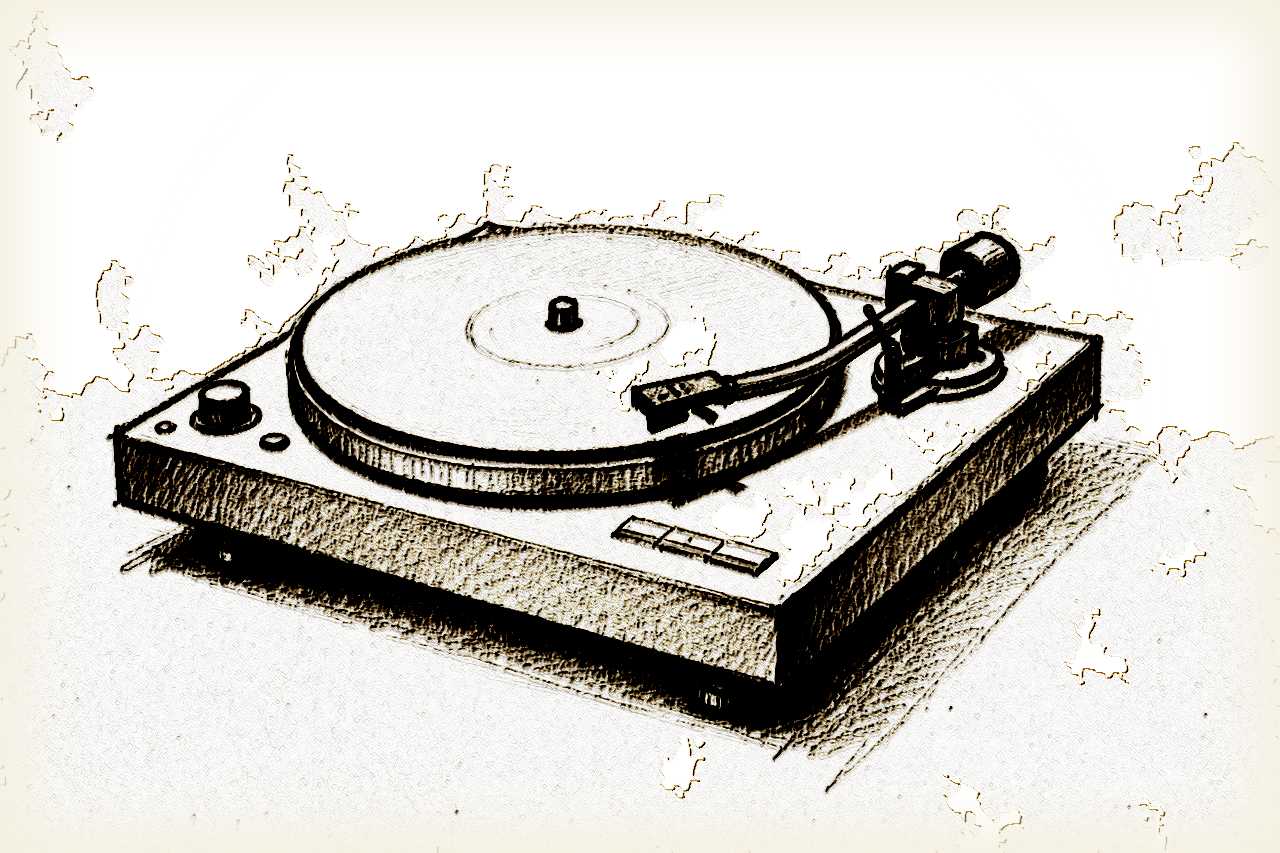
A new generation in physical listening: context for the Vertere Phono-1 LX
Analogue listening — that ritual involving gesture, object, and expectation — depends as much on the disc and edition as on the multiplicity of technical links forming the reproduction chain. With the announcement and worldwide debut of the Vertere Phono-1 LX at North West Audio Show 2026, we face the most significant evolution of the London brand's phono platform in nearly a decade[1][3][6]. It is a launch that occupies a central place not only for its specification but because it crystallises a key question for those who care for every element of their system: does a premium phono preamp truly allow an audiophile vinyl master to 'breathe', or is the difference in less spectacular, more material details?
Sources: from the spec sheet to on-site reporting
The Vertere Phono-1 LX is presented as a "total reinvention" of the design, after nine years without radical structural changes — beyond marginal improvements such as the 2019 MkII and the 2022 'L' version[1][5][6]. Its international launch is validated by specialist media (HiFi Pig, Stereonet, What Hi-Fi?), detailing a revised technical sheet and a debut backed by physical presence at Cranage[1][3][4]. Information, besides appearing on Vertere official channels, has passed double verification by reporters present at the event and detailed analysis of the board, power supply, and ground control. These elements build confidence and rule out mere 'marketing note' risk — always a delicate aspect in our ecosystem.
The heart of the LX: substantial changes and their potential effects
Beyond cosmetic redesign or visual luxury promise, the Phono-1 LX introduces modifications that can, in principle, have audible consequences in reproduction: a circuit board (PCB) with gold finish seeking to improve both solder consistency and durability; a fully revised internal DC power supply; AC inputs with specific inductors to block high-frequency interference before it contaminates the circuit; and an additional secondary output filter[1][3][4]. All this effort, according to Vertere and cited across several publications, aims to reduce noise and improve circuit stability — factors that, if correctly adjusted, may translate into a less intrusive 'floor', greater clarity in soft transitions, and sharper perception of recorded textures[3][4][6][8]. However, none of these assertions has been accompanied by published independent measurements with noise-reduction or distortion figures; real listening effects will depend as much on context as on balance across the entire reproduction system.
Configuration and adjustment: the Phono-1 LX's real role in the vinyl experience
One of the most solid points in Vertere's favour, where independent sources agree, is its adjustment range: with ten gain levels, fifteen resistive load values, and nine capacitance possibilities, it allows fine-tuning response for both MM and MC cartridges with unusual control (high-gain option available on request at no extra cost)[1][3][4][6]. In practice, this means those who own vinyl editions of carefully mastered records, with generous dynamic range and solid pressings, have the tools needed to bring speaker results closer to what the cartridge physically extracts from the groove. Adjustment flexibility does not, however, replace disc physical condition, precise arm and cartridge alignment, nor compensate for deficient mastering; but it can avoid bottlenecks and reveal hidden potential in quality analogue transfers.
Sonic hype or tangible evolution? Separating evidence from marketing
Vertere — and part of specialist press — insist the Phono-1 LX achieves "darker backgrounds, expanded dynamic range, dense images, and an almost physical vocal texture". It is a series of claims that, though evocative and coherent with high-end vinyl mystique, appears without objective parameters or published blind-comparison tests[1][3][4][6]. In other words: no specific dB noise-reduction measurements nor independent harmonic distortion records exist that quantify, outside discourse, how much of that leap belongs to the equipment and how much to adjustment or music-lover expectation. This is not an exclusive demerit of Vertere; it is common across virtually the entire analogue industry, where perception and system integration often weigh as much as raw specification.
Real-world systems: who is the LX aimed at?
The Phono-1 LX proposal is not only for exotic systems but presents itself — by specification and adaptability — as a preamp for both experienced audiophiles and enthusiasts building a listening chain refuge against digital[1][3][4][6]. Several sources point to its "virtually universal" MM/MC cartridge compatibility, though real value appears when the rest of the system is aligned: a carefully pressed disc, well-adjusted arm, cartridge in condition, and cables with good mass and shielding. In domestic high-fidelity systems, benefits of noise reduction and adjustment flexibility should be noticed above all in passages from dense recordings (contemporary jazz, chamber groups with wide dynamics, bare voices); but no preamp can transform a noisy pressing or compromised mastering into a reference experience.
Ritual, physical culture, and material truth
Here physical listening culture finds its balance: the Phono-1 LX is not "magic" nor a direct shortcut to high-end euphoria, but a precision tool that, well adjusted, can enhance (but never invent) the acoustic singularity of edition and pressing. Tactile interaction (chassis, switches, manual adjustment) is mentioned by more than one publication as part of the premium experience[3][8], reminding that in analogue, ergonomics and relationship with the object matter as much as specification.
Conclusion and question to the reader: how far does a premium preamp let the master breathe?
The Vertere Phono-1 LX emerges as a serious example of engineering applied to physical listening: it prioritises technical details that truly open the door to a more transparent experience — for those who already dedicate time to caring for every chain link[1][3][4][6]. It is not, nor should it be sold as, a magic wand that corrects errors accumulated in mastering or system maintenance. The potential it offers lies — as always in vinyl — in the fine dialogue between object, adjustment, and expectation. The question I leave open for the reader points not only to technique: in your own system, have you felt that improvement in a link such as the phono preamp unlocks nuances previously silenced by noise, or does difference lie in other less obvious but equally material factors?